Saudi Oil Giant Takes Stake in Wastewater Start-up OxyMem
Published by Water Network Research, Official research team of The Water Network in Business
OxyMem’s wastewater management system has attracted investors from far and wide, though courting the Saudi Arabian Oil Company is a big coup.
Saudi Aramco is the Saudi Arabian national petroleum and gas company, worth up to $10trn (depending on who you believe).
It is the major player in the world energy scene and, as of this week, it has a stake in OxyMem, a University College Dublin (UCD) spin-out making waves in the wastewater management space.
Wayne Byrne, MD of OxyMem, said he was “delighted to have secured this latest funding from such an influential actor in the energy world”, with the future of the company looking brighter than ever.
“We feel strongly supported by Saudi Aramco and believe this investment will add momentum to our market development goals, particularly in some of the more water-stressed regions.”
Super technology
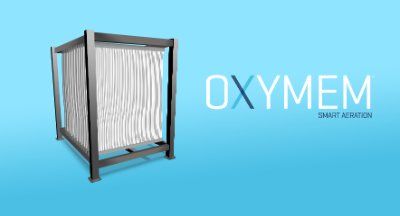
The investment value is, as yet, undisclosed, but Bruce Niven, CIO of Aramco’s investment arm SAEV, lauded OxyMem’s Membrane Aerated Biofilm Reactor (MABR) technology.
Calling it a “compelling technology”, Niven said he and his team “look forward to working with the OxyMem team to further develop their transformative wastewater technology and to grow the business”.
OxyMem claims that MABR has the potential to bring wastewater treatment closer to energy neutrality by reducing energy consumption for aeration by up to 75pc.
Read more: Silicon Republic
Tags
Category: Business
- Oil & Gas
1 Comment
Bonjour
L'aération d'un effluent d'eaux usées provoquent la détérioration des caractéristiques biologiques des composants de l'effluent. Elle active le processus de méthanisation et de putréfaction. Elle transforme encore plus vite la matière organique en boue putride. Celle ci est très difficile à éliminer et la plus part du temps elle est dispersée dans l'environnement, un véritable poison. Les eaux usées domestiques sont biochimiques, l'aération augmente la toxicité de ces composants, l'urée se transforme en ammoniaque dont le fort taux de présence rend indestructible ces boues.
Hello aeration of an effluent of wastewater cause the deterioration of the biological characteristics of the components of the effluent. It activates the process of methanisation and putrefaction. It transforms still faster in putrid mud organic matter. This one is very difficult to remove and the majority of the time it is dispersed in the environment, a real poison. Domestic wastewater are biochemical, ventilation increases the toxicity of these components, the urea is transformed into ammonia which the high rate of presence makes it indestructible sludge.