Saudi Thirst for Water Is Creating a Toxic Brine Problem, says UN
Published by Water Network Research, Official research team of The Water Network in Government
Saudi Arabia isn’t just the world’s top crude oil exporter. It’s also the biggest producer of a toxic effluent that’s the byproduct of slaking the desert kingdom’s thirst for water.
By Jonathan Tirone, Bloomberg
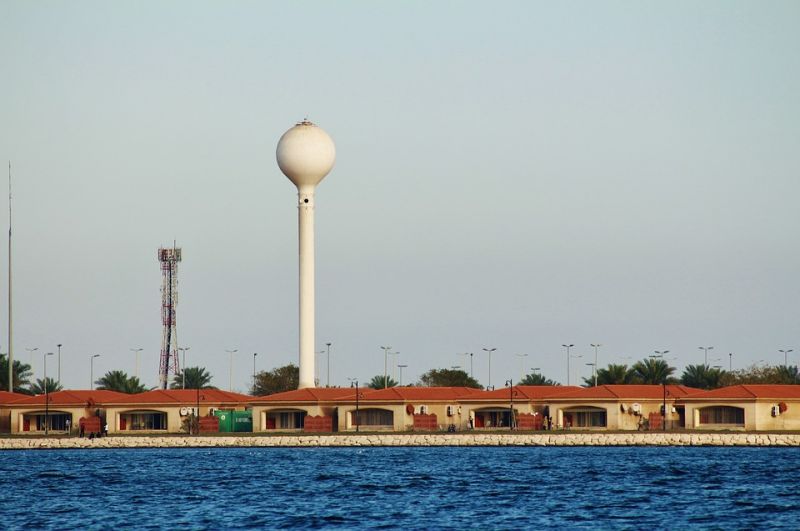
Representative Image Source: Pixabay, labeled for reuse
Saudi Arabia isn’t just the world’s top crude oil exporter. It’s also the biggest producer of a toxic effluent that’s the byproduct of slaking the desert kingdom’s thirst for water.
United Nations scientists warned Tuesday that desalination in Saudi Arabia and other countries is creating huge volumes of chemical-laced brine that risks contaminating food chains if left untreated. The problem is most acute in the Middle East and North Africa, which account for two-thirds of the world’s water contaminated by energy-intensive desalination plants.
“We have to address potentially severe downsides of desalination -- the harm of brine and chemical pollution to the marine environment and human health,” said Vladimir Smakhtin, the director for the Hamilton, Canada-based UN Institute for Water Environment and Health.
Read the full story on Bloomberg
Tags
Category: Government
- Pollutants
- Water Pollution
- Pollution
- Desalination
- Thermal Desalination
- Solar Desalination
- Brine Discharge Modeling & Analysis
- Sea Water Desalinisation
- Sustainable Desalination
- Desalination Pre-treatment
- Water Pollution Control
- Desalination
- Pollution
- Desalination plant operations coordinator
1 Comment
Sooner or later this problem will impose itself on all the countries referring to reverse osmosis seawater desalination as the membrane of reverse osmosis will not be able to generate acceptable potable water due to the increased salinity of feed water. Already the Mediterranean sea, Red sea, and the Persian gulf are at a TDS of 42,000 ppm compared to 35,000 ppm for oceans.
The appropriate answer to this problem is to expose the reject saline stream to flash evaporation separating completely water from salts, then disposing solid salts in a deserted area will be appropriate.
Published by Maher Louis, PE, PEng., Senior Process Engineer at Clairmonte Processes