Chinese City Drainage Crisis
Published by Water Network Research, Official research team of The Water Network in Government
While some of the worst floods in national history hit China this year, well-designed ancient drainage system proved effective, yet most of the floods could have been prevented.
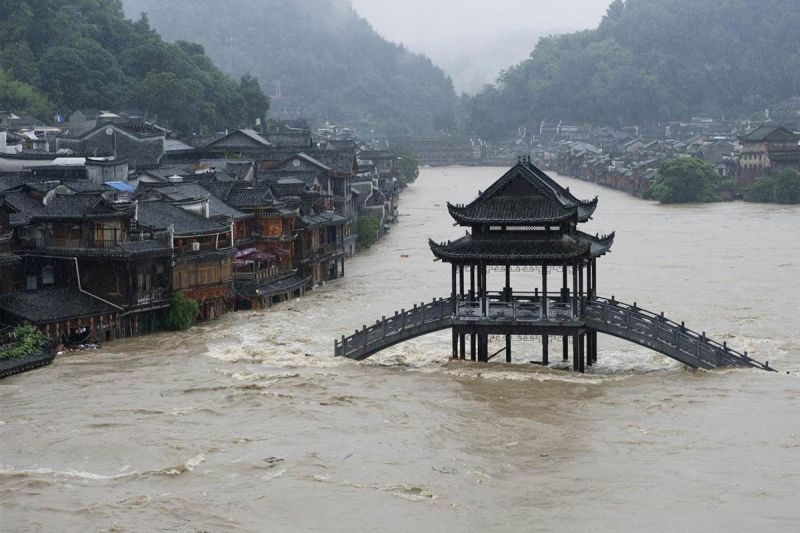 As major Chinese cities were submerged this summer during some of the worst floods to hit China in history, the irony of the fact that the 600-year-old Forbidden City remained free of flooding thanks to its well-designed ancient drainage system did not go unnoticed.
This year’s floods have left at least 1,000 people dead or missing since June.
With about 150,000 homes destroyed, 21,000 square miles of cropland wiped out, and tens of thousands of people displaced, this flood season has been the nation’s second-costliest on record—and more rain is forecast in coming weeks.
Destruction could have been avoided in mainland China if government funds allocated years ago to update drainage systems nationwide had actually been used to lay out new pipes.
 “In China, networks of drainage pipes tend to be very low quality—most meet only 1980s standards. And once pipes have been built underground, they need regular maintenance and cleaning."
"Because of lack of maintenance, many outdated pipes are operating at less than half their original capability,” said Ma Renhai, an expert in city planning and water services at Shanghai-based Intelligence Technology, a water industry research and development firm that has worked in some of the country’s biggest cities.
China’s premier Li Keqiang told government leaders in August last year that more infrastructure spending is needed to construct modern drainage pipes, which would have the added bonus of boosting the nation’s slowing economy.
Source: Quartz
Tags
Category: Government
- Governance
- Infrastructure
- Urban Drainage System
- Flood damage
- Flood
- Government