Citizen science and digital technology for water management in Mendoza: boosting two initiatives
Published by Water Network Research, Official research team of The Water Network in Social
13 August, 2025
Two innovative initiatives that integrate citizen science, digital technology , and youth participation are presented to strengthen water management in Mendoza and combat the environmental crisis.
The city supports both initiatives through the Youth and Climate Action Fund of Bloomberg Philanthropies. They focus, in addition to on the water issue (a critical point in the province), on urban resilience. A strong involvement of young people and local organizations stands out.
Water management and community monitoring
The first of the projects, called Local Resilience Development , is led by the NGO Oikos Red Ambiental and aims to create a public database on the vulnerability status of the city’s alluvial collectors system .
 Innovative citizen science projects. (Photo: Mendoza City Press).
Through citizen science methodologies , the project calls on young people and residents to monitor risks associated with extreme precipitation. The aim is to promote shared responsibility in water resource management and territory protection.
In this sense, three key training sessions have been held so far:
- Towards a community water monitoring network in Mendoza: presentation of the case of Plan Colibrí in Valle de Uco .
- Citizen participation in environmental issues: analysis of the Water Code of Mendoza .
- Urban runoff monitoring, led by Oikos Red Ambiental .
The training included monitoring techniques, the use of collaborative platforms, and georeferencing tools. After the last workshop, field trips will be conducted to map alluvial defenses , infiltration zones, and stormwater relief points.
According to reports, the work will conclude with the creation of collaborative maps and the open publication of the results.
Environmental history and digital humanities
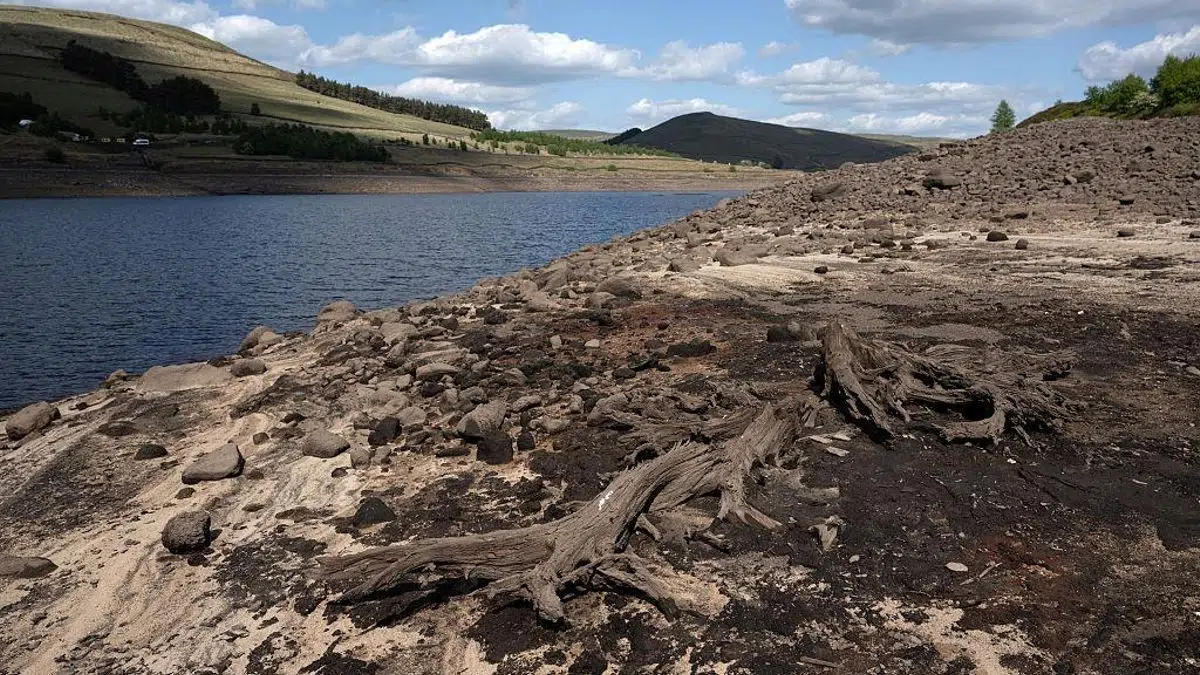 Water management in Mendoza, a central point in the water crisis.
The second proposal, Digital Humanities for Environmental History , aims to rescue and digitize Mendoza’s water heritage, providing free access to historical documents, maps, and photographs .
In this way, the goal is to raise awareness among the population about the water-tree-irrigation channel interdependence, a central axis in Mendoza’s environmental identity.
It is being developed by CONICET researchers along with Geography and Audiovisual Production students from UNCuyo , who have been working on digitization with low-cost resources and open-source software since 2014.
In this new stage, archive surveys, interviews, and compilation of historical material from the 19th century will be carried out, which will then be published on an open access web platform.
As announced, the content will be accompanied by a photographic exhibition and dissemination essays to bring environmental history closer to the community.
Tags
Category: Social
- Water Monitoring
- Water Monitoring
- Water Supply
- Water Management
- urban water security
- open science