China banned all fishing to save the Yangtze River. This 'nuclear' option appears to be working.Decades of overfishing and habitat degradation l...
Published by Water Network Research, Official research team of The Water Network
China banned all fishing to save the Yangtze River. This 'nuclear' option appears to be working.
Decades of overfishing and habitat degradation led to huge declines in freshwater biodiversity in China's longest river, but there are signs of recovery after a fishing ban was implemented in 2021.
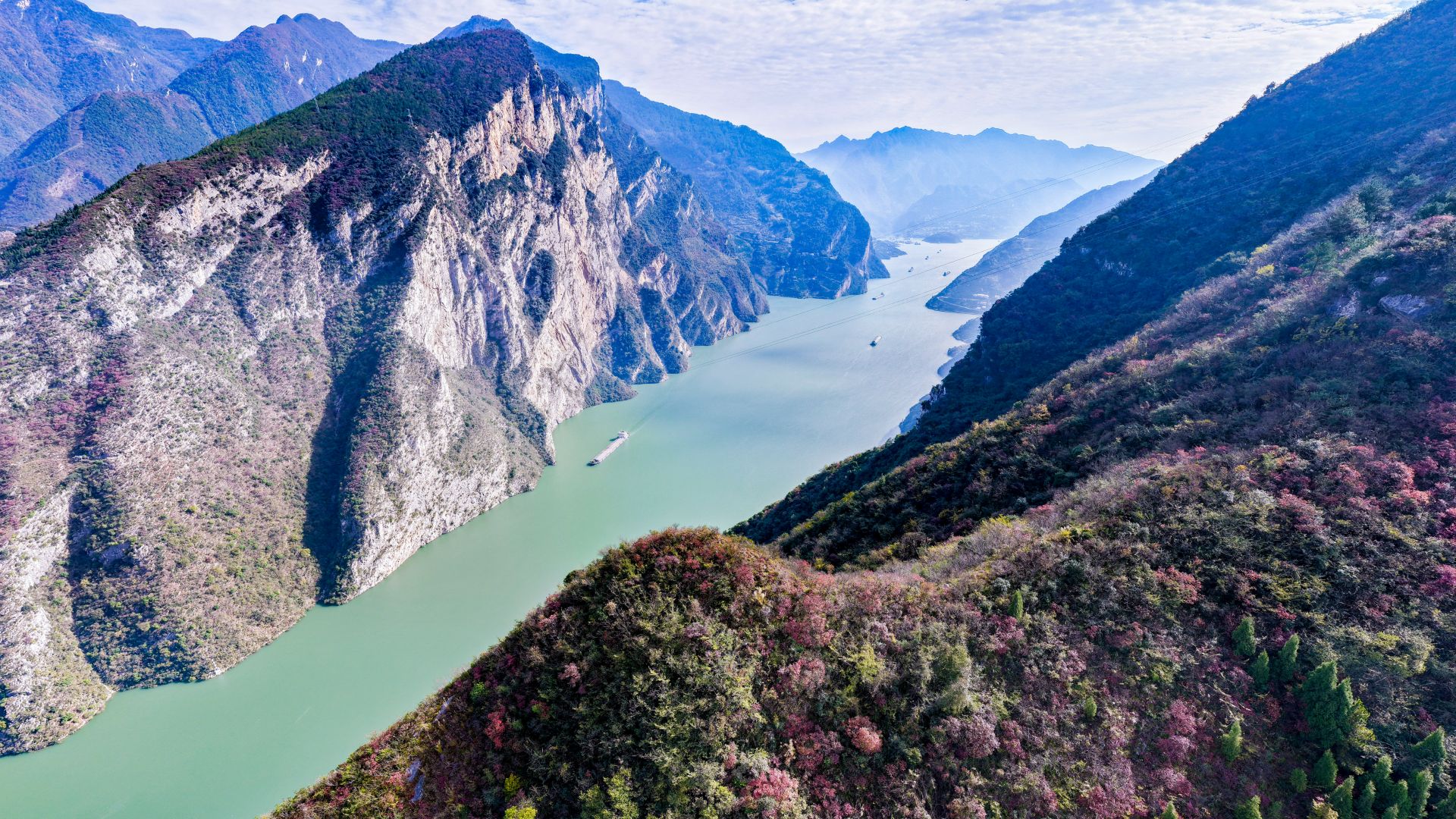
An aerial shot of the Yangtze river, a teal colored strip of water seen between two lush, rocky peaks.
China put a 10-year ban on commercial fishing on the Yangtze River. (Image credit: CFOTO via Getty Images)
China's Yangtze River is showing signs of recovery following the introduction of a 10-year ban on commercial fishing in 2021. The number of large fish has increased, and there has been recovery among endangered animals, including the Yangtze sturgeon (Sinosturia dabryanus) and the Yangtze finless porpoise (Neophocaena asiaeorientalis asiaeorientalis), new research finds.
"These results show that strong political decisions are required to restore biodiversity," Sébastien Brosse, an ecologist at the University of Toulouse in France and co-author of the new study, told Live Science via email. "This is an encouraging message because biodiversity loss is often seen as irreversible." The Yangtze is the longest and largest river in China. About 30% of the country's population lives within its drainage basin, and the 11 provinces and municipalities that make up the Yangtze River Economic Belt generate about 47% of China's total gross domestic product.
But rapid urban development since the 1950s, dam building, decades of overfishing, pollution and habitat degradation had all led to a decline in water quality and a biodiversity crisis. The Yangtze River dolphin (Lipotes vexillifer) and the Chinese paddlefish (Psephurus gladius) went extinct, and 135 fish species found in historical surveys disappeared.
Tags
- River Studies
- River Engineering
- River Restoration
- River Widening
- China