Chemical-free Water Treatment Cleans Up Thai Sugarcane Processing
Published on by Water Network Research, Official research team of The Water Network in Technology
Computer-generated frequencies are being charged through wastewater to help sugarcane-processing plants in Thailand meet environmental standards.
 Hydrosmart is a South Australian company that uses a unique water treatment process to improve water quality without the addition of chemicals.
Its microprocessors sit on the outside of pipes and send emit frequency shots to disrupt the bonds of minerals in the water, dissolving calcium, iron and gypsum scale off pipes.
It is now being used to reduce algae and improve the chemical oxygen demand (COD) of sugarcane wastewater in the eastern Thai province of Sakeo.
Managing Director Paul Pearce said the onflow from sugarcane wastewater was a serious environmental threat where large amounts of harmful materials were carried into waterways.
“Thailand has certain regulations as to what they can put out to the environment and COD is one of those they have to get to a certain level of,” he said.
“Our unit allows for the microbes and bacteria to thrive, the beneficial ones, and balance the water to a healthier state by reducing particle size, without the addition of other things.
“After installing the smaller D60EO model, the changes it has made to the quality of the water have been quite significant and it has even helped to remove odours.”
The sugarcane project was initially run as a trial using a smaller waste pond to test the effectiveness of Hydrosmart’s U-bend technology.
The D60EO model used in the trial consists of a 60mm PVC pipe that connects to the pipes that pump water out of the wastewater pond.
Using two sets of frequencies, the economy unit was able to successfully treat the water within four weeks of being installed.
The plant now plans to install a full-sized model at its primary waste pond in Thailand.
According to Statista, Thailand exported 7.8 million metric tonnes of sugar in the 2015-2016 financial year. That figure is expected to rise to 8 million metric tonnes this year.
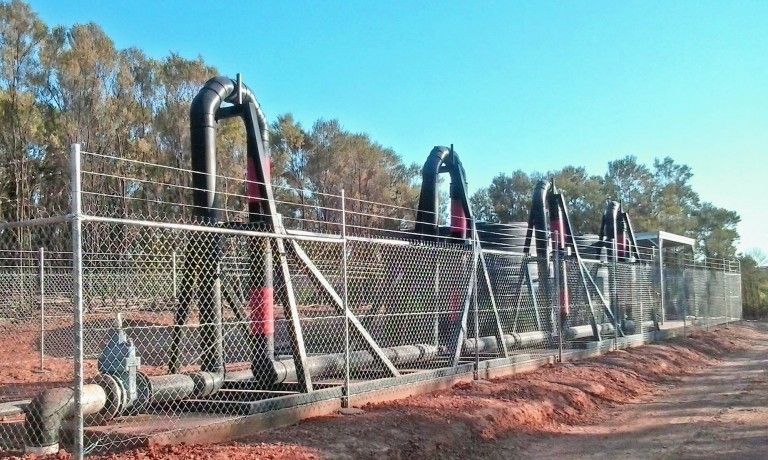 Pearce said the microprocessor unit was highly efficient and would only use about AU$10 a year worth of electricity in most cases, less than a standard light bulb.
He said the device required little maintenance and would work year-round as long as it remained plugged in and activated.
Hydrosmart’s technology is also being applied to textile wastewater in Bangladesh and is improving water quality in the Polynesian sovereign state of Tonga.
“The processing of sugarcane contains a lot of organic matter and heavy metals so it’s great to see Hydrosmart doing so well internationally and using their solutions to tackle global challenges that have a direct and real impact on other communities.”
Read more on: The Lead
Media
Taxonomy
- Waste Water Technology
- Treatment
- Waste Water Treatments
- Decontamination
- Treatment Plants
- Technology
- Contaminant Removal
- water treatment
- Water & Wastewater