EXPANDING SAFE WATER ACCESS IN SCHOOLS IN INDIA

Published on by in Non Profit

EXPANDING SAFE WATER ACCESS IN SCHOOLS IN INDIA

Making Water Work


APRIL 2026


EXPANDING SAFE WATER ACCESS IN SCHOOLS IN INDIA


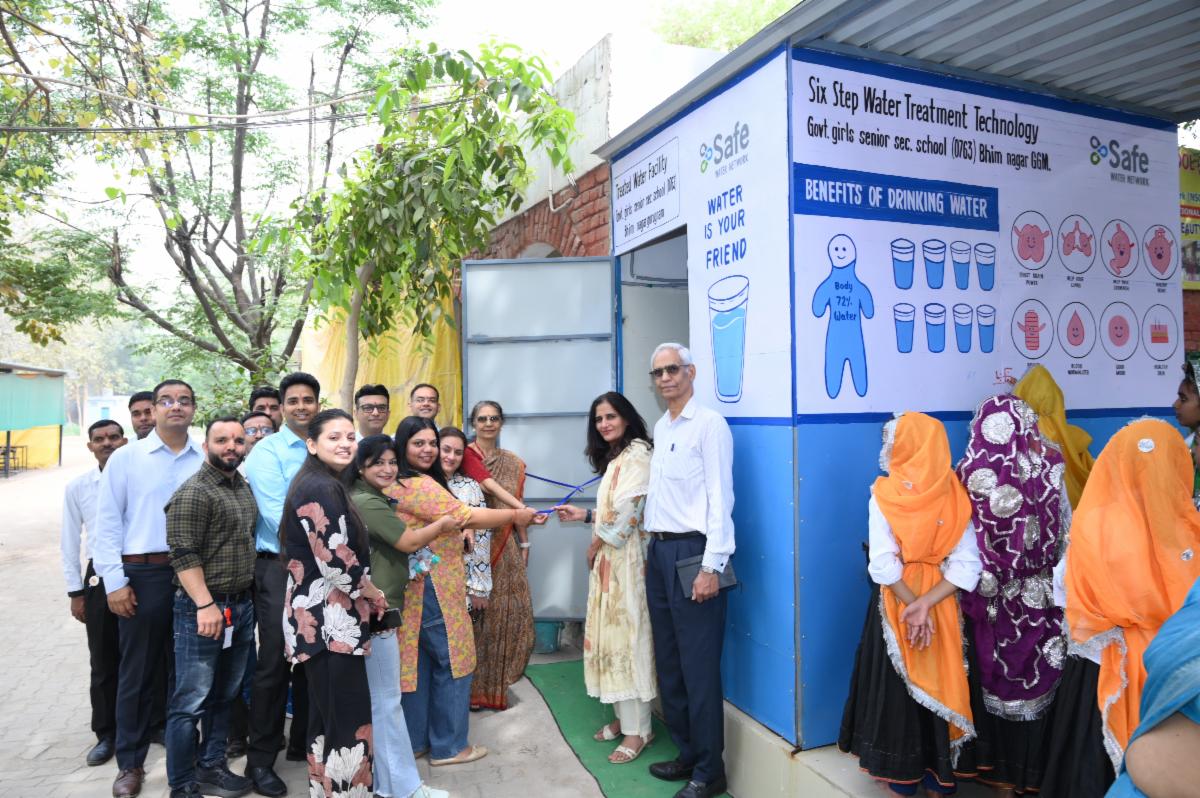
INDIA: Safe Water Network India, in partnership with DuPont India, has expanded access to safe drinking water for approximately 4,000 students through new water purification systems installed at three government schools in Gurugram and Hyderabad.


The installations are part of an ongoing collaboration focused on improving student health, attendance, and learning outcomes by ensuring reliable access to clean drinking water on school campuses.


Each school is equipped with two treatment units producing 200 liters of purified water per hour, supported by storage systems that ensure consistent supply throughout the day.


The initiative builds on a broader partnership between DuPont India and Safe Water Network, which includes water access programs, sanitation improvements, and hygiene education across multiple schools.


Student-led activities on hygiene and safe water practices accompanied the installations, reinforcing the importance of behavior change alongside infrastructure investment.

NEXT STEPS FOR

BEYOND THE PIPE FORUM '26


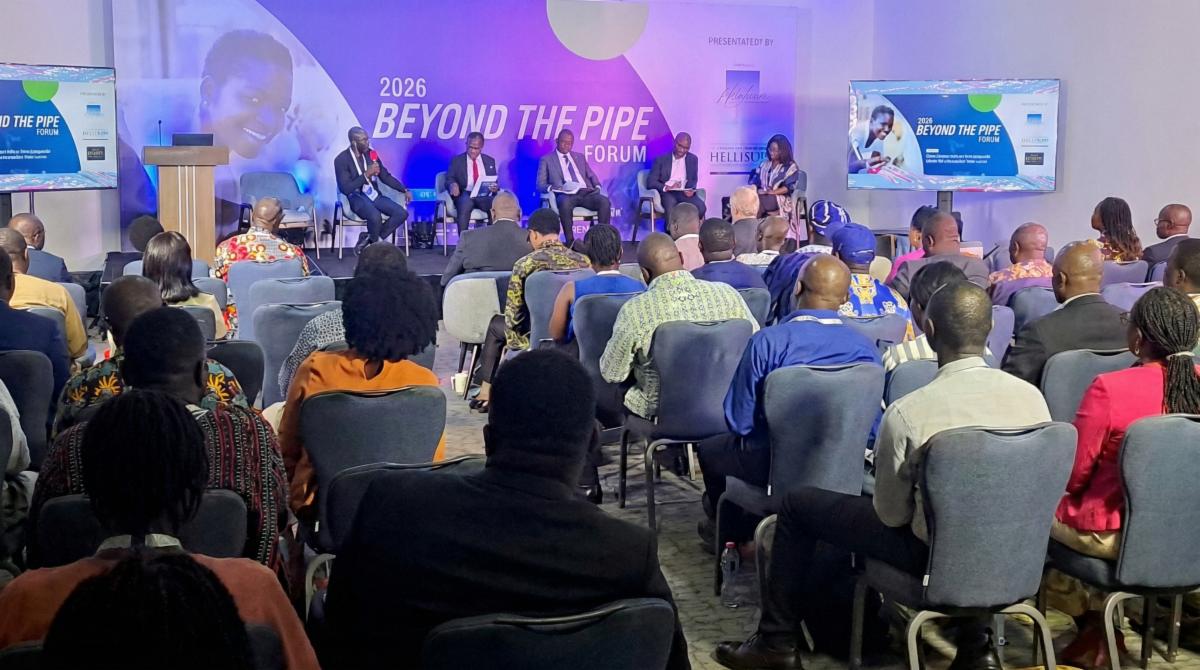
ACCRA: Last month, Safe Water Network convened the 16th Beyond the Pipe Forum in Accra bringing together private, public, and NGO members of the Safe Water Enterprise Alliance. The Forum kicked off with a new market update documenting a year of steady, measurable progress across Ghana’s safe water enterprise system. 


In 2025, seven active implementers of the SWE Alliance collectively reached 92,788 people, brought 33 new communities into their footprint, and installed 53 new systems across 16 regions. Cumulative population reached now stands at more than 1.1 million people. 


Importantly, water quality is high. This year, 4,696 households transitioned to safely managed service — water that is reliably available, treated, and accessible at home. For its part, Safe Water Network concluded a social impact assessment across 2,534 connected households and found that 88.3% reported meaningful improvements in health, finances, and education. 


Drawing upon the market update, the participants of the Forum agreed to establish coordination procedures in two districts to channel previously disparate private, public and NGO water implementors to ensure complete coverage of safe water services. The district coordination planning will involve representatives of leading NGOs, private operators, District Assemblies, Regional Government, and the Ministry of Public Works. The participatory planning process will generate recommendations to enable safe water enterprises to operate effectively and to secure financing from public and private sources.  

READ THE REPORT

KEEPING WATER SAFE IN GHANA

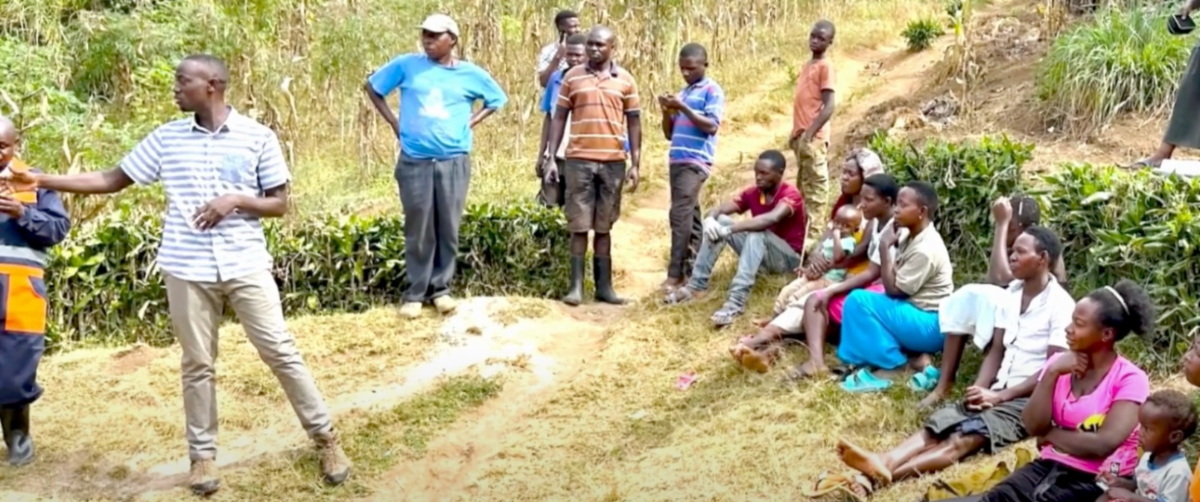
ACCRA: Illegal gold mining – a practice known in Ghana as Galamsey – is adding mercury, zinc, and other toxic minerals into the nation’s water supply. Safe Water Network applies rigorous water source verification protocols to ensure the water distributed through its 120 stations is free such contaminants. 


Safe Water Network does not source water from polluted surface rivers affected by illegal mining. It relies primarily on groundwater from boreholes, with separate sourcing from lake water in the Volta Region. It validates each water source before it enters a water station. If a source does not meet requirements, it is not used. 


Source verification protocols applied by Safe Water Network are more essential than ever before. Gamalsey is damaging rivers, forests, and farmland across Ghana while raising widespread public concern about drinking water safety. Around the world, artisanal and small-scale gold mining remains a major source of mercury pollution and a persistent challenge for regulators — tied as it is to livelihoods, informal economies, and rising gold prices. 


The broader challenge remains urgent. In communities where illegal mining is widespread, the water sector must confront a harder question: how to provide safe, affordable water when environmental degradation makes suitable source water increasingly difficult to secure.

SWN BOARD OF DIRECTORS UPDATE


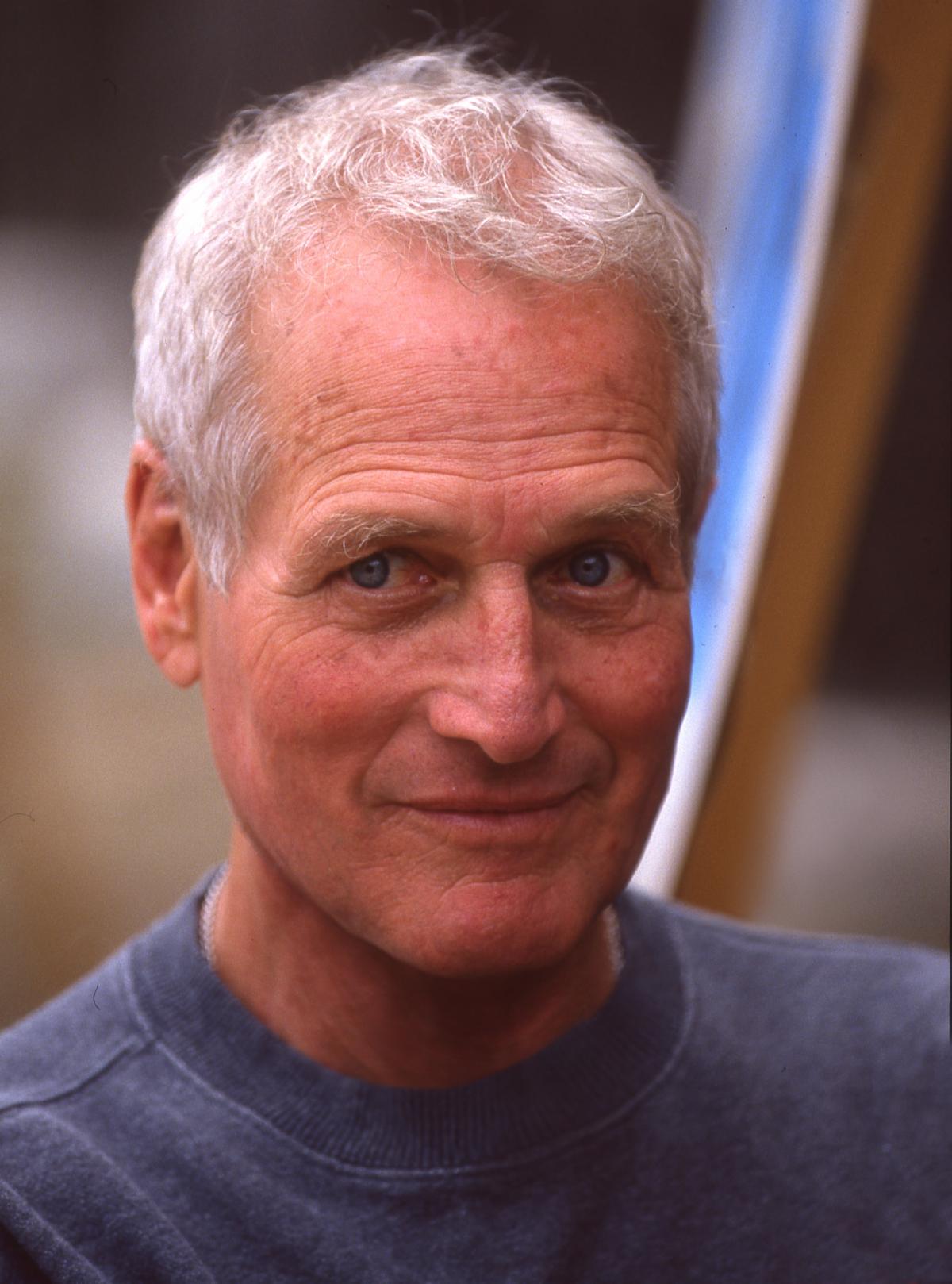
NEW YORK: Safe Water Network was founded in 2006 by Paul Newman, John Whitehead, and Josh Weston — three philanthropists who believed that when supported with skills training and seed capital, local communities will drive lasting water solutions.


Nearly twenty years later, that conviction remains central to the members of the SWN Board of Directors, not least among its newest recruits. 


We are grateful to acknowledge Steve Zide who has stepped down from the Board after ten years of service, including five years as Board Chair. Steve brought to the organization the discipline and global perspective he developed across decades of investment at Bain Capital. His leadership strengthened the governance foundation on which Safe Water Network stands today. 


Vivek Sankaran has taken on the role of Board Chair. Vivek brings deep operating experience from a distinguished career in consumer goods and retail, including as CEO of PepsiCo Foods North America. He understands scale, sustainability, and what it takes to serve communities reliably – and is actively involved in supporting the organization on strategy development and resource mobilization.


We are also pleased to welcome Sanjay Ramaswamy to the Board. Sanjay is CEO of WilliamsMarston, a national leader in accounting, tax, valuation, and transaction advisory services. He served previously in senior management positions at EY, AlixPartners, Johnson & Johnson, and McKinsey & Company. He holds a Ph.D. in Industrial Engineering & Operational Research from Penn State.


The work continues. We are fortunate to have people of this caliber actively guiding Safe Water Network into the future.

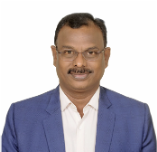
Meet Dr. Raj Kumar

Raj serves as Safe Water Network's Project Officer for Telangana, where he leads expansion efforts, community awareness, consumer activation, and WASH education programs. He is also a key resource for the Government of India's Jal Jeevan Mission.


Before joining Safe Water Network, Dr. Raj Kumar worked with Hindustan Latex Family Planning Promotion Trust across multiple districts in Telangana and Andhra Pradesh, and served as a resource person for the Resource Centre for Sexual Health & HIV/AIDS in New Delhi.


Raj holds postgraduate degrees in Commerce and Sociology and conducted his doctoral research on HIV/AIDS interventions and coping strategies at Kakatiya University.

Media

Taxonomy