IIT Madras Researchers Develop Gas Hydrate Technology to Extract Clean Water From Wastewater
Published by Water Network Research, Official research team of The Water Network in Case Studies
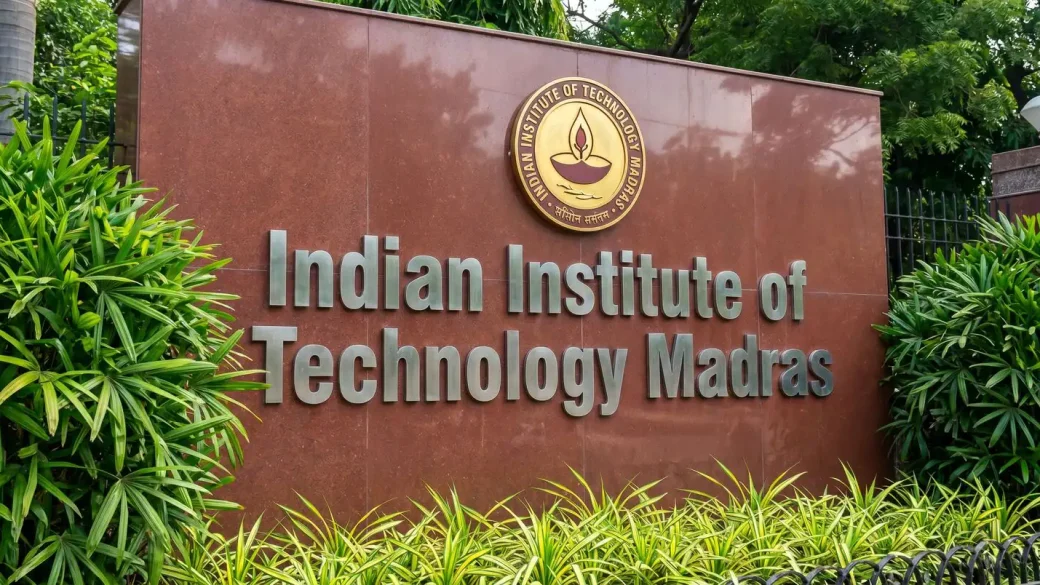
Researchers at the Indian Institute of Technology Madras (IIT Madras) have developed a promising technique to extract clean water from wastewater using gas hydrate technology , offering a potential low-energy solution for water purification and desalination. The research demonstrates how gas hydrates—ice-like crystalline structures formed under specific temperature and pressure conditions—can selectively trap water molecules while leaving behind salts, contaminants, and many impurities, producing cleaner water after the hydrates are melted.
The breakthrough could provide an alternative approach to conventional water treatment technologies, particularly in regions facing freshwater shortages and growing wastewater management challenges. The researchers believe the technology has applications in industrial wastewater treatment, desalination, and water recycling.
How Gas Hydrate Technology Works
Gas hydrates are crystalline solids that form when water molecules surround gas molecules such as carbon dioxide or methane under controlled pressure and temperature.
During the process:
- Water molecules form hydrate crystals.
- Salts remain outside the crystal structure.
- Many contaminants are excluded.
- Hydrates are separated from the remaining wastewater.
- Melting the hydrates produces purified water.
| Process Step | Purpose |
|---|---|
| Hydrate formation | Capture water molecules |
| Separation | Remove contaminants and salts |
| Hydrate melting | Recover purified water |
This selective separation allows clean water to be recovered without relying solely on traditional membrane-based filtration.
Potential Advantages Over Conventional Methods
According to the researchers, gas hydrate-based purification offers several potential benefits.
These include:
- Lower energy consumption under suitable conditions.
- Reduced chemical usage.
- Effective removal of dissolved salts.
- Potential recovery of clean water from industrial wastewater.
- Compatibility with water recycling systems.
The technology may complement existing treatment methods rather than completely replace them.
Applications Beyond Wastewater
The research could have applications across multiple sectors where water purification is critical.
Potential use cases include:
- Industrial wastewater treatment.
- Seawater desalination.
- Municipal water recycling.
- Mining wastewater management.
- Chemical processing industries.
- Water reuse in manufacturing.
As global freshwater demand continues to rise, technologies that improve water recovery are becoming increasingly important.
Supporting Water Sustainability
India faces growing challenges related to water scarcity, groundwater depletion, and wastewater management.
Innovations such as gas hydrate purification could help:
- Increase water reuse.
- Reduce freshwater consumption.
- Improve industrial sustainability.
- Support circular water management.
- Lower environmental impact.
The approach aligns with broader efforts to improve water security through advanced treatment technologies.
Challenges Before Commercialization
Although the research is promising, several technical hurdles remain before large-scale deployment.
| Challenge | Potential Impact |
|---|---|
| Pressure requirements | Specialized equipment needed |
| Process optimization | Improve efficiency |
| Scale-up | Industrial implementation |
| Cost | Commercial competitiveness |
Researchers will continue refining the technology to improve efficiency, reduce costs, and evaluate its performance under real-world operating conditions.
Growing Interest in Alternative Water Technologies
Scientists worldwide are exploring new approaches to address freshwater shortages.
Emerging technologies include:
- Advanced membranes.
- Atmospheric water harvesting.
- Solar-powered desalination.
- Electrochemical purification.
- Gas hydrate separation.
Each aims to reduce energy consumption while increasing access to safe drinking water.
Tags
Category: Case Studies
- Industrial
- Technology
- Produced Water From Oil & Gas Industry
- water treatment
- Water and Wastewater
- Water and wastewater treatment
- India