Microplastics Found in Insects From Pennsylvania Streams
Published by Water Network Research, Official research team of The Water Network for Stroud Water Research Center in Academic
Even forested or remote streams aren’t free from plastic pollution, according to research in the Schuylkill River watershed.
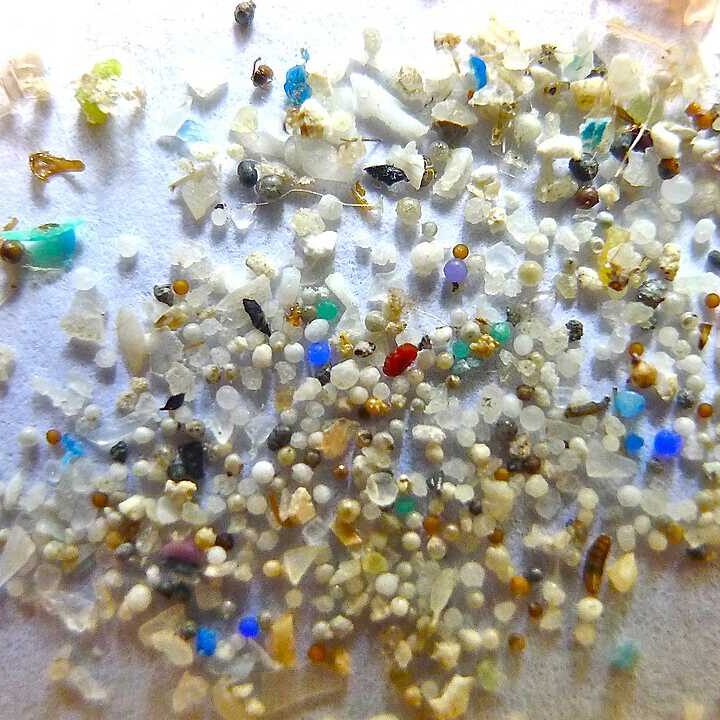
Microplastics pose a growing concern in aquatic habitats. Photo: Oregon State University via Flickr, CC BY-SA 2.0
Tiny pieces of plastic are turning up in an unexpected place: aquatic insects living in Pennsylvania streams, including those surrounded by forests.
A study involving scientists from Millersville University, Stroud Water Research Center, and California State University, Bakersfield, found microplastics in about one-third of the aquatic insects and other small stream organisms examined.
The researchers studied specimens collected from six streams in the Schuylkill River watershed between 1998 and 2019.
Among the findings was that microplastic abundance wasn’t lower in forested areas than in more developed watersheds. Researchers don’t yet know why. Possible sources include plastic litter.
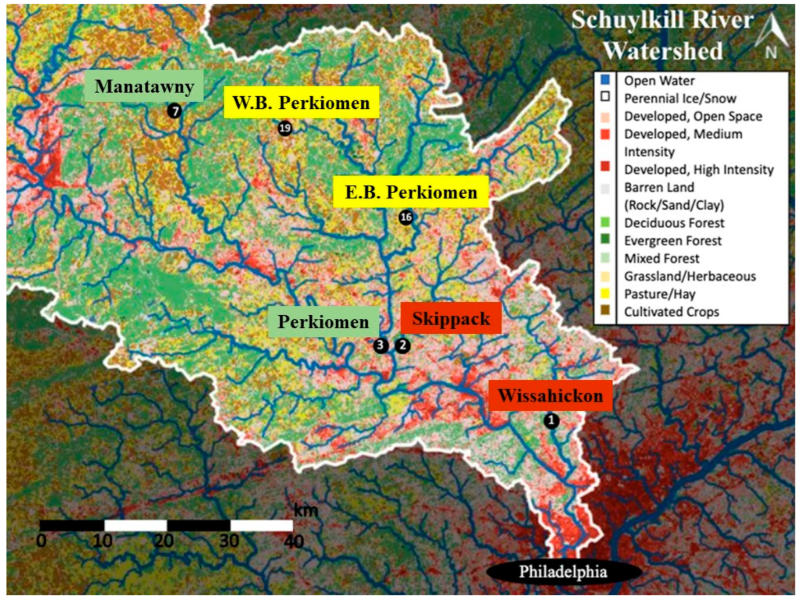
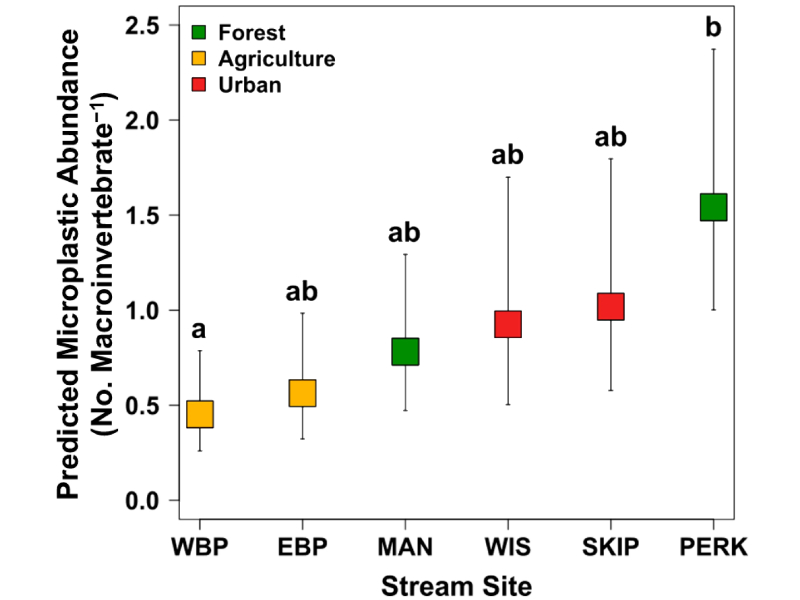
Left: Map of the six study streams located in the Schuylkill River Watershed in southeastern Pennsylvania, USA. Right: Predicted microplastic abundance (with 95% confidence intervals) for stream sites across sampling years. Source: McNeish, R.E., Macchia, M.D., Lee, N.M., Harrison, A.T., Brown, A.J., Jackson, J.K., and Wallace, J.R. 2026. Archived historical aquatic macroinvertebrate specimens suggest connections between microplastic abundance patterns, trophic traits, and land use. Insects 17: 386 (open access)
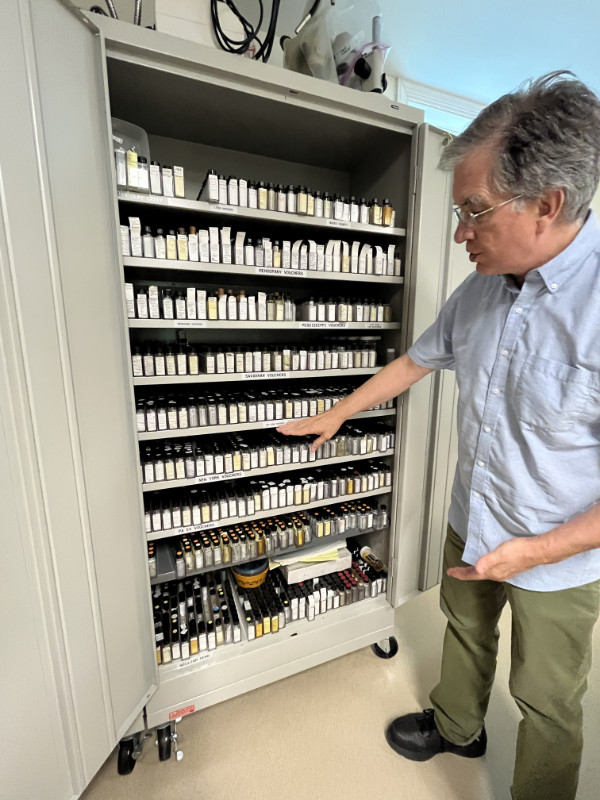
The study highlights the value of preserving scientific samples. John Jackson, Ph.D., is shown here with a portion of the Stroud Center’s macroinvertebrate archive. Photo: Jennifer Merrill
The findings suggest that microplastic pollution may be more widespread than expected, reaching streams even where surrounding land is largely forested.
The study also highlights the value of preserving scientific samples. By returning to aquatic insects collected decades ago, researchers can investigate environmental problems that weren’t widely recognized when the samples were first gathered.
The project also brought together three generations of students mentored by Millersville University Professor Emeritus John Wallace, Ph.D., demonstrating how scientific partnerships and mentorship can advance freshwater research.
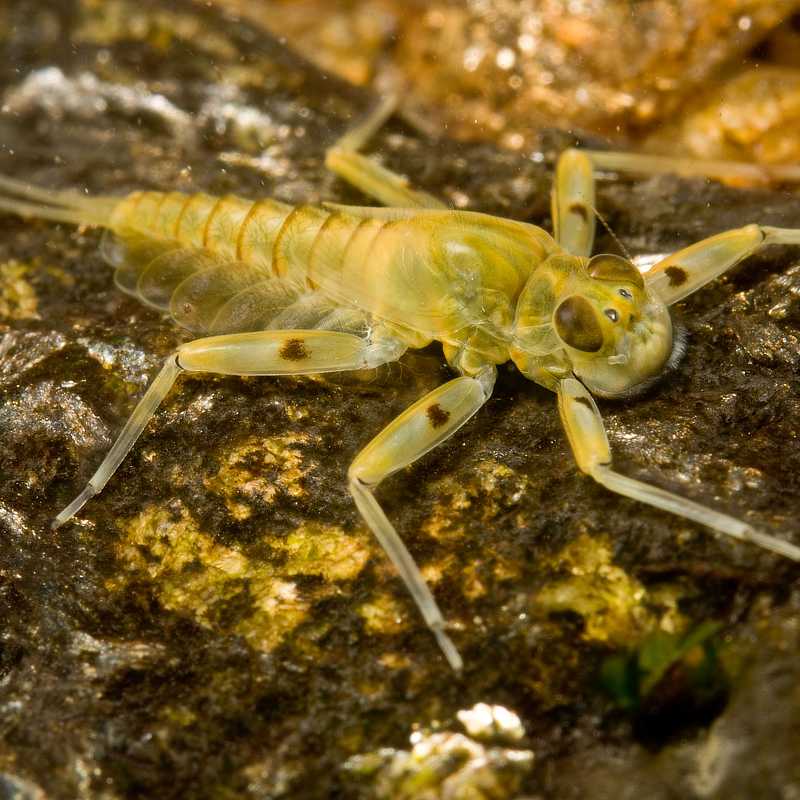
Epeorus mayfly nymph. Photo: Dave Funk
Stroud Center Senior Research Scientist John Jackson, Ph.D., a study coauthor, spoke with WHYY about the findings and what scientists still hope to learn about microplastics in freshwater ecosystems.
Explore the Research and Coverage
- Read the published research.
- Read WHYY’s coverage of the findings.
- Discover the story behind the research collaboration, from Millersville University.
Tags
Category: Academic
- Research
- plastic pollution
- microplastics
- Pennsylvania, United States
- Microplastic ingestion
- Stream Restoration
- Microplastic