Water Regeneration Technology Opens a New Path to Growth for Water-Scarce Caribbean Islands
Published by Water Network Research, Official research team of The Water Network for WOTA in Case Studies
WOTA to present water circulation as a new path to island growth to governments and partners at the Commonwealth Business Forum 2026, 2-4 November
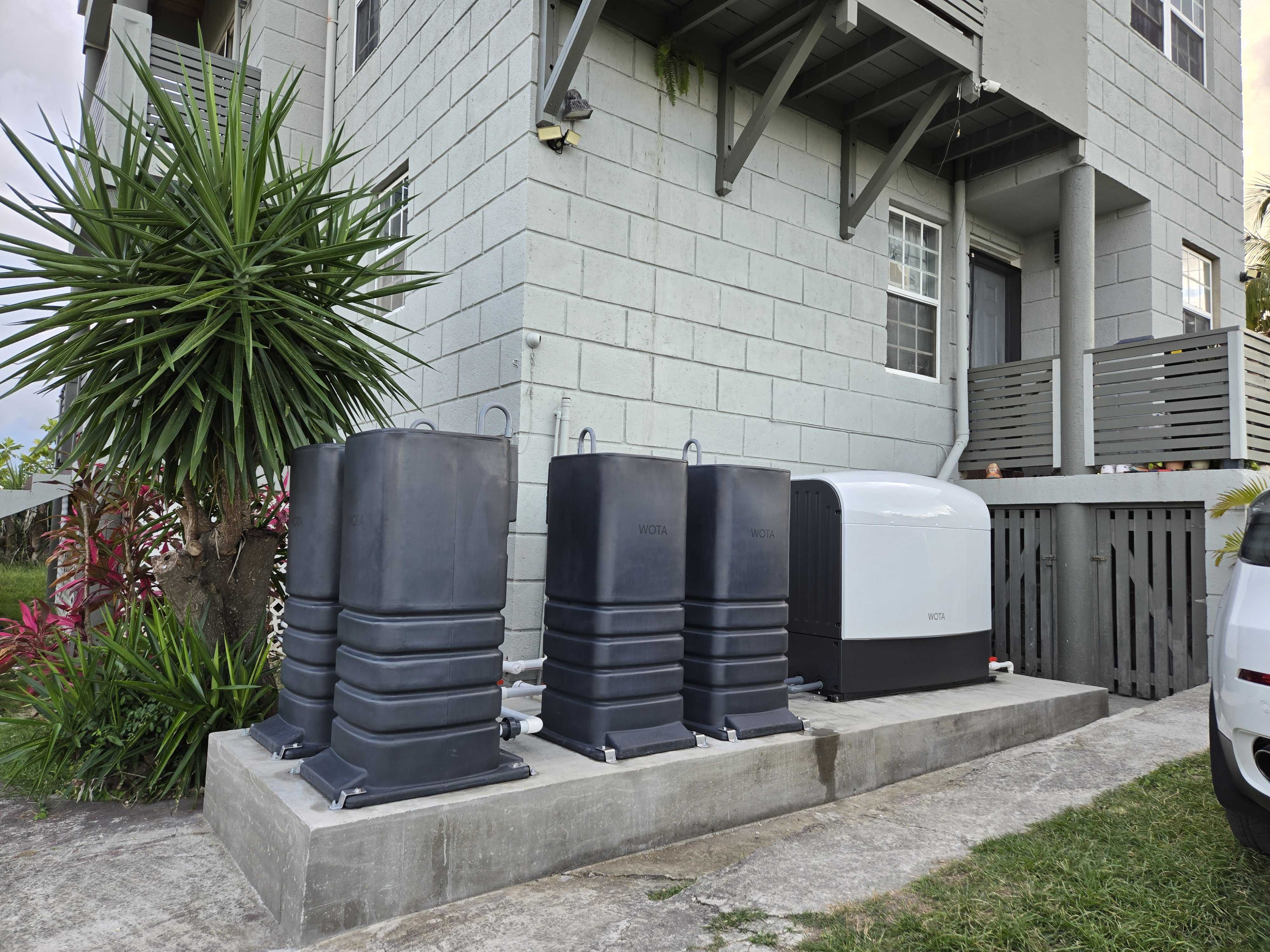
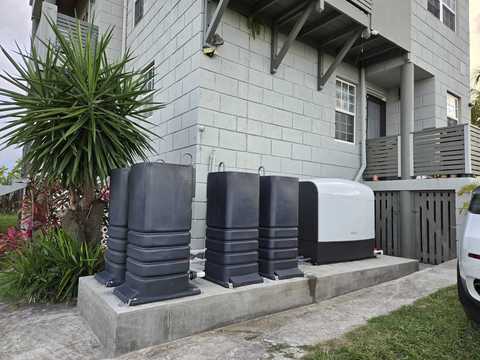
A WOTA Unit installed at a home in Antigua and Barbuda as part of the demonstration project.

ST JOHN'S, Antigua and Barbuda--(BUSINESS WIRE)--WOTA, a Japanese water innovation company and Earthshot Prize finalist, is opening a new path to growth for Caribbean islands through water regeneration – easing the water constraints that limit everyday life and economic growth, rather than only helping them cope with climate shocks. By regenerating and reusing water in homes, its systems are designed to reduce both the need for new freshwater and the volume of wastewater released into the environment.
Supported by the Ministry of Economy, Trade and Industry, the Government of Japan through the United Nations Industrial Development Organization (UNIDO), WOTA is working with communities in Antigua and Barbuda, in ongoing collaboration with the Government of Antigua and Barbuda, to help households regenerate their own water.
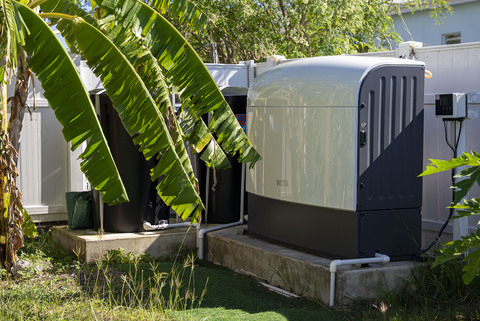
The WOTA Unit is a small-scale residential water regeneration system that uses automated monitoring and treatment technology to regenerate up to 97%* of wastewater from kitchens, bathrooms and laundry for everyday reuse. Sensors continuously monitor water quality and operating conditions, while algorithms automatically control treatment.
In one household during the demonstration project, the system regenerated 1,720 of the 2,356 US gallons used in a single month – equivalent to 100 showers – reducing the need for additional freshwater by 73%. While this result reflects a single household over one month and is not a measure of island-wide impact, it demonstrates the technical potential of regenerating water at home. The wider effect will depend on the scale and conditions of deployment.
Water: the limit on island growth
For small island states, water is a precondition for growth. Households, public services, tourism and new investment all depend on a reliable supply. Yet limited land means limited freshwater, while growing populations and tourism keep pushing demand higher. Antigua and Barbuda and Barbados are classified by the Food and Agriculture Organization of the United Nations as water-scarce countries**, and Antigua and Barbuda has only around 557 m³ of renewable water per person per year, well below the 1,000 m³ scarcity threshold***.
Antigua and Barbuda has made real strides in strengthening its water supply, yet like many island nations it still contends with structural pressures. Its largest reservoir can run dry at times during the year, desalination remains costly and energy-intensive, and wastewater can reach the waterways and beaches on which the island economy depends. Climate change is adding to these pressures.
The Caribbean Institute for Meteorology and Hydrology (CIMH) has warned that below-normal rainfall is expected across much of the region into early 2027, increasing the risk of water shortages and wildfires****, while hurricanes and other extreme weather can disrupt supply.
A different path to growth
Experience in Japan and other countries suggests that economic growth without adequate wastewater treatment can lead to severe pollution and decades of costly infrastructure investment. Island nations have an opportunity to take a different path: integrating water regeneration and reuse from the outset, so that growth does not come at the expense of the freshwater and marine environments on which their economies depend.
Because each system regenerates water where it is used, capacity can be added household by household and community by community as demand grows, without waiting for large-scale networks to be built. Combined with conventional networks, decentralised regeneration can make better use of limited water resources, help maintain essential services even during disruption, and reduce the wastewater reaching the sea – helping to protect the coral reefs, beaches and tourism that underpin the island’s blue economy.
Yosuke Maeda, Representative Director & CEO of WOTA, said:
“Water should be what makes island growth possible, not what holds it back. By circulating water where it is used, island nations can grow without repeating the costly path others have taken and protect the ocean their economies depend on.”
Tags
Category: Case Studies
- Household Water Treatment
- Water Access
- Technology
- Access
- Water Governance
- Water Treatment Systems
- Antigua and Barbuda