U.S. Lithium Mining at Risk Amid Growing Water Scarcity — Technology and EngineeringThe burgeoning electric vehicle revolution and the rapid d...
Published by Water Network Research, Official research team of The Water Network
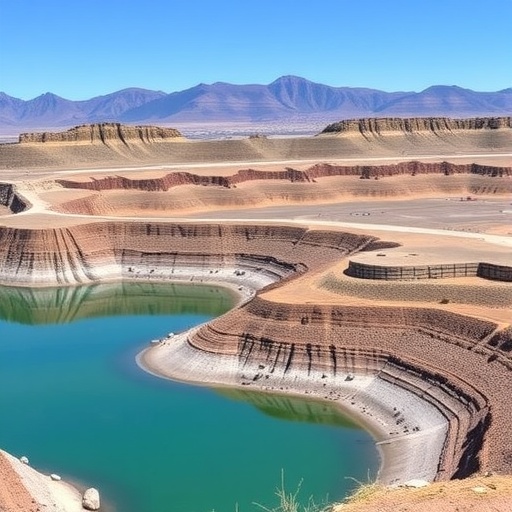
U.S. Lithium Mining at Risk Amid Growing Water Scarcity — Technology and Engineering
The burgeoning electric vehicle revolution and the rapid deployment of clean energy technologies have placed lithium—a key battery element—squarely in the spotlight. While the United States has ambitions to develop a self-reliant domestic lithium mining industry, a groundbreaking study from Northwestern University underscores a critical and often overlooked challenge: water scarcity. This new research reveals that the U.S., particularly its arid western regions, faces significant water constraints that threaten the viability of lithium mining operations as climate change reshapes hydrological patterns. The study, published in Communications Earth & Environment, offers a sobering assessment of the natural resource paradox embedded in the country’s quest for lithium independence.
Lithium, prized for its role in powering lithium-ion batteries, is essential to the global energy transition. Currently, most lithium mining occurs in Australia and Chile, with processing and refining predominantly in China. These entrenched international supply chains present vulnerabilities for U.S. policymakers aiming to secure sustainable and geopolitically stable sources of lithium. In response, domestic lithium exploration and extraction projects have surged, yet the environmental and logistical hurdles they face, particularly related to water availability, remain stubbornly complex.
Mining lithium is a highly water-intensive endeavor, irrespective of the extraction method employed. Brine mining, commonly practiced in places like Chile’s Atacama Desert, involves pumping lithium-rich brine to the surface, then letting vast quantities of water evaporate, leaving behind concentrated lithium salts. Hard rock mining, typical in Nevada, entails crushing ore and then washing and processing it with substantial volumes of water. The researchers emphasize that this water is not simply consumed; it frequently becomes contaminated with hazardous elements such as arsenic. The costs, both environmental and financial, of purifying and recycling this water are prohibitive, effectively rendering these water resources irretrievable from a practical standpoint.
Source: https://bioengineer.org/u-s-lithium-mining-at-risk-amid-growing-water-scarcity/
The burgeoning electric vehicle revolution and the rapid deployment of clean energy technologies have placed lithium—a key battery element—squarely in the spotlight. While the United States has ambitions to develop a self-reliant domestic lithium mining industry, a groundbreaking study from Northwestern University underscores a critical and often overlooked challenge: water scarcity. This new research reveals that the U.S., particularly its arid western regions, faces significant water constraints that threaten the viability of lithium mining operations as climate change reshapes hydrological patterns. The study, published in Communications Earth & Environment, offers a sobering assessment of the natural resource paradox embedded in the country’s quest for lithium independence.
Lithium, prized for its role in powering lithium-ion batteries, is essential to the global energy transition. Currently, most lithium mining occurs in Australia and Chile, with processing and refining predominantly in China. These entrenched international supply chains present vulnerabilities for U.S. policymakers aiming to secure sustainable and geopolitically stable sources of lithium. In response, domestic lithium exploration and extraction projects have surged, yet the environmental and logistical hurdles they face, particularly related to water availability, remain stubbornly complex.
Mining lithium is a highly water-intensive endeavor, irrespective of the extraction method employed. Brine mining, commonly practiced in places like Chile’s Atacama Desert, involves pumping lithium-rich brine to the surface, then letting vast quantities of water evaporate, leaving behind concentrated lithium salts. Hard rock mining, typical in Nevada, entails crushing ore and then washing and processing it with substantial volumes of water. The researchers emphasize that this water is not simply consumed; it frequently becomes contaminated with hazardous elements such as arsenic. The costs, both environmental and financial, of purifying and recycling this water are prohibitive, effectively rendering these water resources irretrievable from a practical standpoint.
Source: https://bioengineer.org/u-s-lithium-mining-at-risk-amid-growing-water-scarcity/
Tags
- Water Scarcity
- Technology
- Scarcity
- Mining Development
- Mine Water Management
- international
- United States