New filtration technologies that could absorb “forever chemicals” at an “ultrafast” rate have been developed.Researchers say their findi...
Published by Water Network Research, Official research team of The Water Network
Researchers say their findings could greatly improve pollution control, although they face multiple challenges before the technology can be deployed at scale.
The scientists outline in a new paper how a layered double hydroxide (LDH) material made from copper and aluminium could absorb long-chain PFAS at an “ultrafast” speed.
This could be up to 100 times the rate of current filtration systems, according to reports.
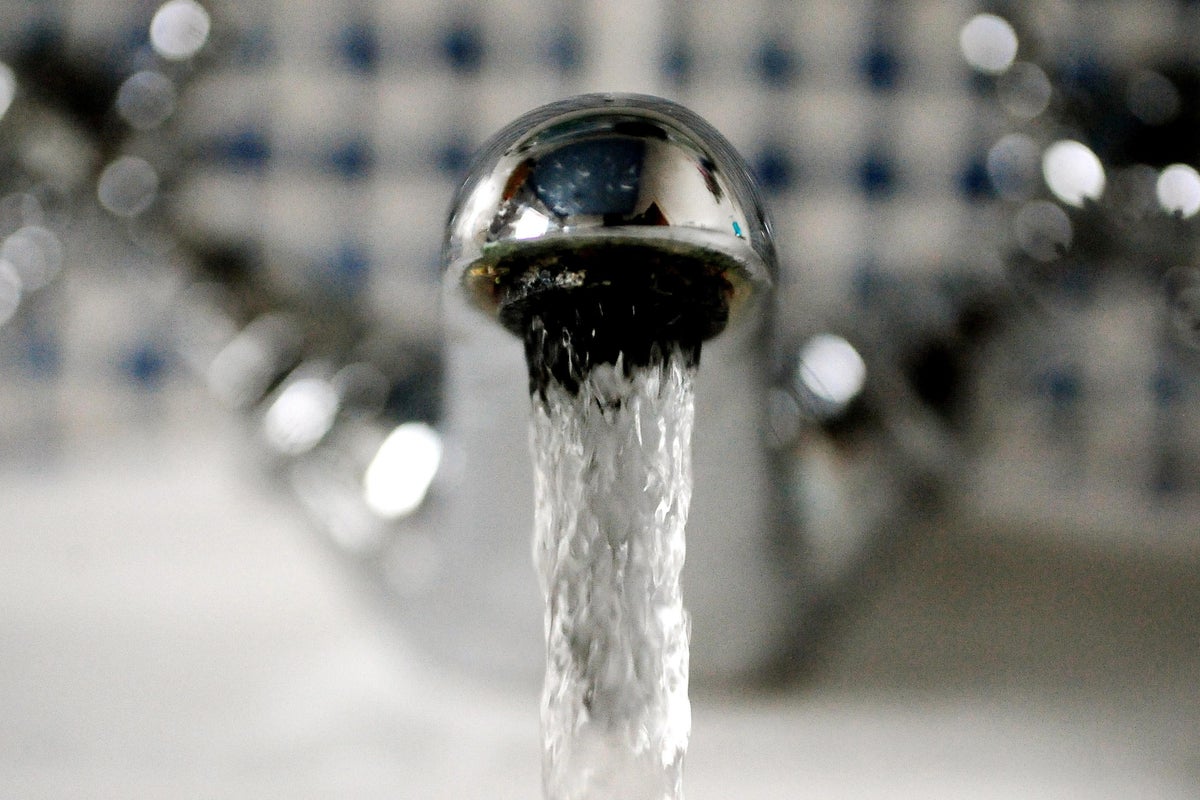
Researchers say developments could greatly improve pollution control (PA Wire)
“Forever chemicals” – so-called because they do not degrade – have been used in a variety of consumer and commercial applications since the 1950s. They can repel water and oil, resist high temperatures and act as “surfactants” by helping different types of liquids mix.
There are around 15,000 different PFAS chemicals. Each one has a slightly different chemical composition, but they all have at least two carbon-fluorine bonds. These extremely strong bonds mean that PFAS do not readily break down. So the bond that affords PFAS some of its unique characteristics also causes them to build up and persist in our bodies and the environment for decades.
Many PFAS are known to be toxic, including associations with altered liver and thyroid function, and various cancers.
Granular activated carbon, reverse osmosis and ion exchange are among the current filtration technologies being used, and they work by absorbing PFAS in water. However, the chemicals caught in the filter have to be stored in hazardous waste facilities or destroyed in a thermal process using high heat, which produces toxic byproducts or just breaks the PFAS down into smaller PFAS.
The new process works by soaking up and concentrating PFAS at high levels, meaning it is non-thermal as the chemicals can be destroyed without using high temperatures, according to Michael Wong, director of Rice University’s Water Institute, a PFAS research centre that developed the new technologies.
Tags
- COD Removal
- High Rate Filtration
- PFAS
- Water, Waste Water Chemical & Treatment
- Domestic Water Use
- Water Treatment Chemicals
1 Comment
WaterMicronWorld Exclusive Distributor Opportunity 2026
Become an exclusive regional partner with WaterMicronWorld and lead the future of sustainable hydration in the United States. As the global Atmospheric Water Generator (AWG) market is projected to reach nearly $5 billion in 2026, this is your entry into a high-growth sector focused on environmental resilience and water security.
The Exclusive Distributor Package:
For an investment of $10,000 USD, you secure exclusive distribution rights for your territory and receive a professional demonstration suite:
· 1 x 100Liter per day Industrial Showcase Unit: A rugged, high-capacity machine designed for "Proof of Concept" demonstrations.
· 2 x 30Liter per day AWG Office/Home Dispensers: Sleek, multi-stage filtration units perfect for showing the versatility of AWG technology in residential and commercial settings.
Key Technical Features: 100Liter per day Industrial Showcase:
Designed for maximum portability and ease of use, this unit is your primary tool for securing large-scale contracts.
· Plug-and-Play Mobility: Equipped with industrial wheels and dedicated lifting hooks on all four corners for easy trailer transport and site positioning.
· Universal Power: Operates on standard electrical output, making it compatible with almost any location.
· High Performance: Capable of generating 100 liters of water daily from ambient humidity.
· Industrial Aesthetics: A "working machine" look that builds immediate trust for industrial, agricultural, or emergency relief applications.
Why Join WaterMicronWorld?
· Rising Market Demand: The US market for AWGs is expanding rapidly due to concerns over groundwater quality and increasing water scarcity in arid regions.
· Eco-Friendly Technology: WaterMicronWorld machines reduce plastic waste, eliminate the need for heavy water bottle deliveries, and provide a convenient water source.
· Advanced Filtration: All units feature multi-stage filtration—including UV sterilization and mineral enrichment—to enhance water quality.
· Decentralized Security: Provide your clients with a water source that is independent of traditional municipal plumbing, critical for off-grid operations and disaster preparedness.
WaterMicronWorld brings an ecologically friendly and new source of pure drinking water to industry, businesses and home.
WaterMicronWorld provides truly affordable, state-of-the-art technology that is easy to operate and maintain. The technology taps into a water source that does not place more demands on Mother Earth..Pure water from the air we breathe!
WaterMicronWorld International Atmospheric Water Generators:
AWG-C Series units can generate from 15 to 20,000 liters of pure drinking water per day. Our unique compact systems are ideal for Hotels, Schools, Office buildings, Housing developments, Hospitals, Marine and small Municipal applications.
Contact to Secure Your Territory
Visit the WaterMicronWorld International Website: https://watermicronworld2019.wixsite.com/mysite
Email: watermicronworld@proton.me
Join us in bringing "Water from Air" to the World.
Published by Jenny Chen, CEO at WaterMicronWorld International