This post introduces Ednah Aiken’s 1910 novel The River as an early, surprisingly modern exploration of water engineering, desert irrigation, ...
Published by Mrinmoy Majumder, Associate Professor at National Institute of Technology Agartala
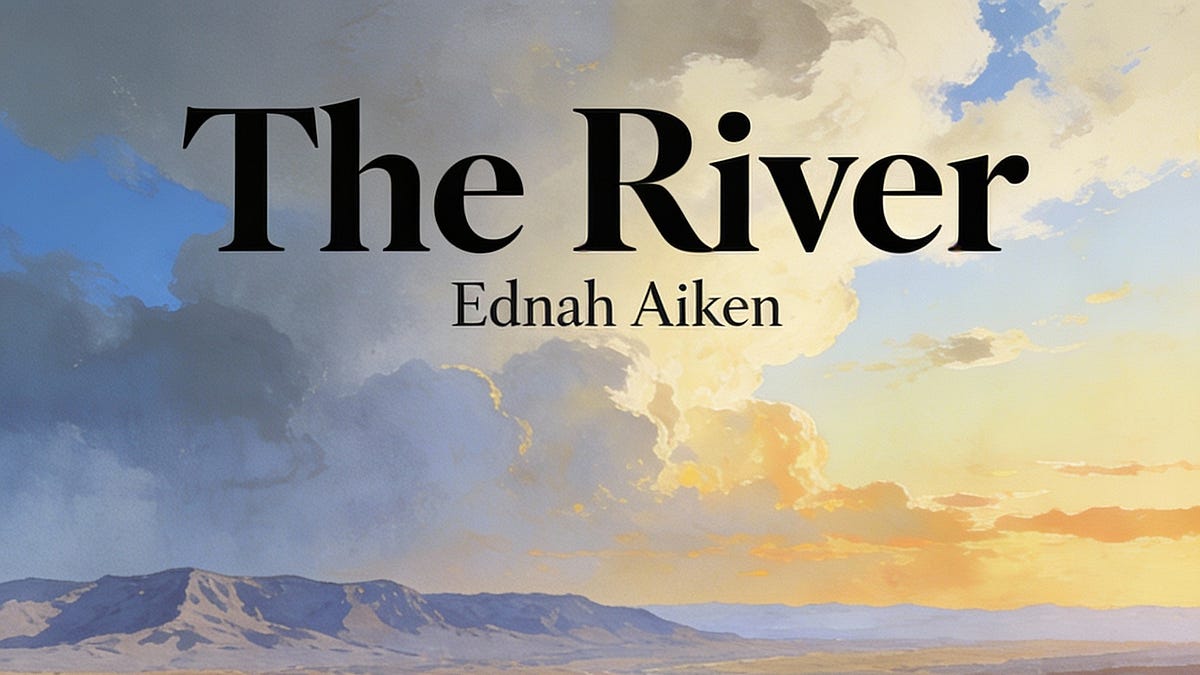
This post introduces Ednah Aiken’s 1910 novel The River as an early, surprisingly modern exploration of water engineering, desert irrigation, and the politics of controlling a powerful river in the American Southwest.
What the novel is about
The article explains that the novel follows engineer K. C. Rickard and other characters drawn into a risky irrigation venture on the Colorado River, where they attempt to turn desert into farmland through canals and levees. As floods, silted cuts, financial troubles, and clashing interests accumulate, the story shows how technical decisions about water reshape landscapes, communities, and individual destinies.
Main themes highlighted
A key theme the post emphasizes is the tension between human control and natural force: the river appears at times as a spirited ally, at times as a destructive antagonist, underlining the fragility of large-scale hydraulic schemes. The piece also foregrounds questions of responsibility and ethics, showing how promises to settlers, speculative finance, and political ambition intersect when water projects fail or fall short.
Why it matters for water and hydroinformatics
The post frames The River as “visionary” because it anticipates contemporary debates on river regulation, irrigation risk, and the social costs of mega‑projects, making it relevant to today’s water professionals and students. By situating the novel within a broader reading culture around rivers and water, the article invites technically trained readers to engage with literary narratives as a way to deepen their understanding of hydro‑social systems.
Click here to see the post : https://hydrogeek.substack.com/p/the-river-by-ednah-aiken?r=c8bxy
What the novel is about
The article explains that the novel follows engineer K. C. Rickard and other characters drawn into a risky irrigation venture on the Colorado River, where they attempt to turn desert into farmland through canals and levees. As floods, silted cuts, financial troubles, and clashing interests accumulate, the story shows how technical decisions about water reshape landscapes, communities, and individual destinies.
Main themes highlighted
A key theme the post emphasizes is the tension between human control and natural force: the river appears at times as a spirited ally, at times as a destructive antagonist, underlining the fragility of large-scale hydraulic schemes. The piece also foregrounds questions of responsibility and ethics, showing how promises to settlers, speculative finance, and political ambition intersect when water projects fail or fall short.
Why it matters for water and hydroinformatics
The post frames The River as “visionary” because it anticipates contemporary debates on river regulation, irrigation risk, and the social costs of mega‑projects, making it relevant to today’s water professionals and students. By situating the novel within a broader reading culture around rivers and water, the article invites technically trained readers to engage with literary narratives as a way to deepen their understanding of hydro‑social systems.
Click here to see the post : https://hydrogeek.substack.com/p/the-river-by-ednah-aiken?r=c8bxy