Everything you need to know about the new federal report on the Colorado River's futureDownstream states are facing big water cuts while Colorad...
Published by Water Network Research, Official research team of The Water Network
Everything you need to know about the new federal report on the Colorado River's future
Downstream states are facing big water cuts while Colorado is on call for more conservation in the new reports. The negotiations don’t stop here.
A woman with long blond hair and glasses smiles at the camera, wearing a green top, in a well-lit indoor setting.
Shannon Mullane
9:07 AM MDT on Jul 31, 2026
Share
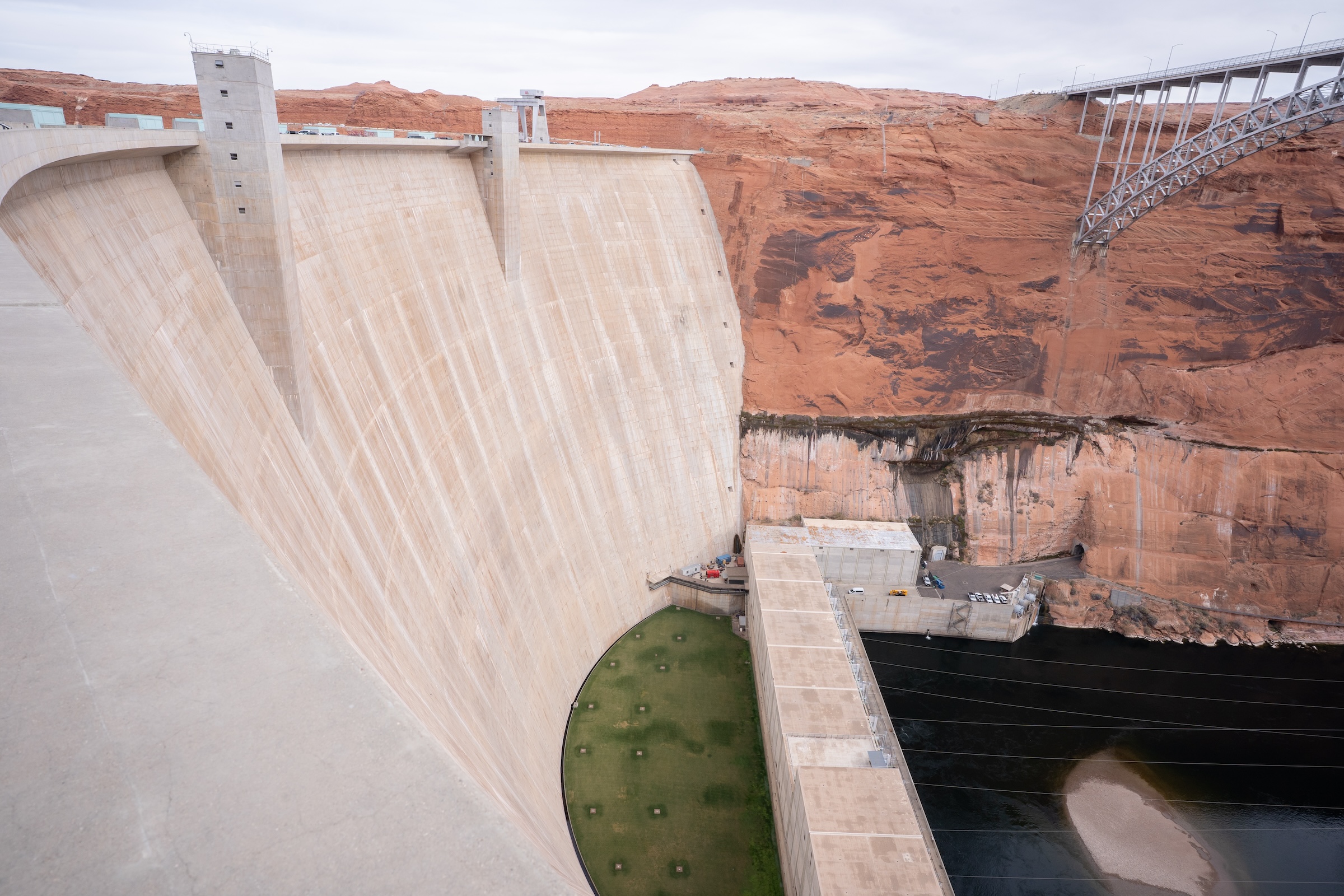
The Colorado River flows south out of the base of Glen Canyon Dam in Arizona Monday, Dec. 18, 2023. The dam impounds Lake Powell, the nation's second largest reservoir and storage water for millions of people downstream. (Shannon Mullane, The Colorado Sun)
Click here to add The Colorado Sun as a preferred source on Google
Colorado water officials knew that they and the three other Upper Basin states would likely be asked to conserve Colorado River water under a new plan spanning the next decade. Now they know the target amount: up to 200,000 acre-feet, or 65 billion gallons of savings among the four states.
Water watchers gained new insights into the river’s future thanks to a federal report released Friday. The report, a final environmental impact statement, describes how the federal government plans to manage the river basin’s key reservoirs, including lakes Mead and Powell, for the next 10 years.
It outlines severe water cuts for downstream states — Arizona, California and Nevada — plus a range of reservoir releases and new storage pools for conserved water. States will have to negotiate specific plans for cuts, conservation and more every two years.
The seven states and 30 tribes in the basin already had a general idea of what to expect after seeing a preliminary version circulating this summer. Now, the Upper Basin states — Colorado, New Mexico, Wyoming and Utah — can ramp up to a firm conservation target. They’re still waiting on other federal reports to define what conservation will look like in 2027 and 2028.
Colorado officials did not respond to questions about the conservation target Friday, saying they were still reviewing the report.
More federal reports are expected in the coming days. The highly anticipated documents represent the culmination of a three-year planning process plagued by sassy political rhetoric and gridlock among states.
“The Department (of the Interior) has a responsibility to ensure the Colorado River system remains reliable and resilient for the millions of Americans, communities and industries that depend on it,” Secretary of the Interior Doug Burgum said in a news release Friday. “This framework provides the flexibility to respond to changing hydrologic conditions while preserving the opportunity for the Basin States to continue working toward durable, consensus-based solutions.”
These reports are thick documents, hundreds of pages long and riddled with the water-world jargon that even experts will need days, if not weeks, to fully analyze. Here’s a short guide to the report and why it matters to Colorado.
What’s in this final environmental report?
The final report sets up guardrails for how water should be stored, conserved and released from reservoirs.
It will last for 10 years, not the 20 or 50 years previously debated during three years of negotiations among states, tribes and federal officials. Those negotiations aren’t over: They’ll debate and decide two-year operating plans for how to manage the basin’s key reservoirs until 2036.
The final environmental report analyzed releases from Lake Powell between 5 million and 12 million acre-feet. One acre-foot roughly equals the water used by two to four households each year.
Lower Basin states could be called on to cut their use by as much as 3 million acre-feet under the two-year operating plans. The basin as a whole used about 13.1 million acre-feet each year between 2020 and 2024, according to the Bureau of Reclamation release. The Lower Basin’s portion of that total was about 6.5 million acre-feet per year.
Arizona is expected to be hit hardest by the cuts outlined in the federal environmental impact statement.
“The FEIS contains a framework that includes sideboards that are unacceptable for the state of Arizona,” the Arizona Department of Water Resources said in a statement Friday. “Such reductions would devastate Arizona’s water users and its economy.”
Downstream states are facing big water cuts while Colorado is on call for more conservation in the new reports. The negotiations don’t stop here.
A woman with long blond hair and glasses smiles at the camera, wearing a green top, in a well-lit indoor setting.
Shannon Mullane
9:07 AM MDT on Jul 31, 2026
Share
The Colorado River flows south out of the base of Glen Canyon Dam in Arizona Monday, Dec. 18, 2023. The dam impounds Lake Powell, the nation's second largest reservoir and storage water for millions of people downstream. (Shannon Mullane, The Colorado Sun)
Click here to add The Colorado Sun as a preferred source on Google
Colorado water officials knew that they and the three other Upper Basin states would likely be asked to conserve Colorado River water under a new plan spanning the next decade. Now they know the target amount: up to 200,000 acre-feet, or 65 billion gallons of savings among the four states.
Water watchers gained new insights into the river’s future thanks to a federal report released Friday. The report, a final environmental impact statement, describes how the federal government plans to manage the river basin’s key reservoirs, including lakes Mead and Powell, for the next 10 years.
It outlines severe water cuts for downstream states — Arizona, California and Nevada — plus a range of reservoir releases and new storage pools for conserved water. States will have to negotiate specific plans for cuts, conservation and more every two years.
The seven states and 30 tribes in the basin already had a general idea of what to expect after seeing a preliminary version circulating this summer. Now, the Upper Basin states — Colorado, New Mexico, Wyoming and Utah — can ramp up to a firm conservation target. They’re still waiting on other federal reports to define what conservation will look like in 2027 and 2028.
Colorado officials did not respond to questions about the conservation target Friday, saying they were still reviewing the report.
More federal reports are expected in the coming days. The highly anticipated documents represent the culmination of a three-year planning process plagued by sassy political rhetoric and gridlock among states.
“The Department (of the Interior) has a responsibility to ensure the Colorado River system remains reliable and resilient for the millions of Americans, communities and industries that depend on it,” Secretary of the Interior Doug Burgum said in a news release Friday. “This framework provides the flexibility to respond to changing hydrologic conditions while preserving the opportunity for the Basin States to continue working toward durable, consensus-based solutions.”
These reports are thick documents, hundreds of pages long and riddled with the water-world jargon that even experts will need days, if not weeks, to fully analyze. Here’s a short guide to the report and why it matters to Colorado.
What’s in this final environmental report?
The final report sets up guardrails for how water should be stored, conserved and released from reservoirs.
It will last for 10 years, not the 20 or 50 years previously debated during three years of negotiations among states, tribes and federal officials. Those negotiations aren’t over: They’ll debate and decide two-year operating plans for how to manage the basin’s key reservoirs until 2036.
The final environmental report analyzed releases from Lake Powell between 5 million and 12 million acre-feet. One acre-foot roughly equals the water used by two to four households each year.
Lower Basin states could be called on to cut their use by as much as 3 million acre-feet under the two-year operating plans. The basin as a whole used about 13.1 million acre-feet each year between 2020 and 2024, according to the Bureau of Reclamation release. The Lower Basin’s portion of that total was about 6.5 million acre-feet per year.
Arizona is expected to be hit hardest by the cuts outlined in the federal environmental impact statement.
“The FEIS contains a framework that includes sideboards that are unacceptable for the state of Arizona,” the Arizona Department of Water Resources said in a statement Friday. “Such reductions would devastate Arizona’s water users and its economy.”
Tags
- Water Resources
- Environmental Conservator
- Reporting
- Water Conservation
- Colorado, United States
- Water sensitive design and planning
- Water Shed Protection Plan