💧🚇 Part 2: Water Management in Underground Construction & Tunnelling: Control the Water Before It Controls the ProjectBy: Dr. Hossein Atae...
Published by Hossein Ataei Far, 1.519M+ LinkedIn impressions in 4 days| Driving sustainable |Bankable climate solutions
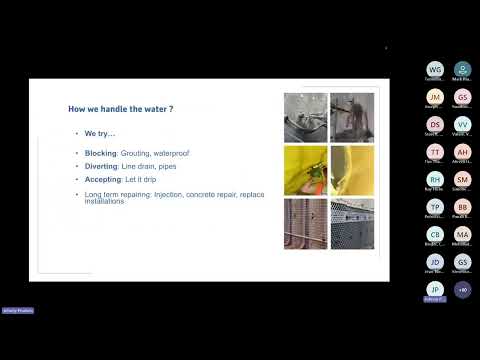
💧🚇 Part 2: Water Management in Underground Construction & Tunnelling: Control the Water Before It Controls the Project
By: Dr. Hossein Ataei Far
Groundwater is one of the most critical risks in underground construction. Unexpected inflows can compromise excavation stability, TBM performance, worker safety, schedules, costs, surrounding structures, and groundwater resources.
Effective tunnel water management is not simply about pumping—it is an integrated hydrogeological, geotechnical, structural, waterproofing, drainage, and operational strategy.
🔹 A Best-Practice Framework
Characterize → Predict → Map Risk → Control → Waterproof & Drain → Dewater → Monitor → Adapt
1️⃣ Characterize the Groundwater System
Assess aquifers, groundwater pressure, faults, fractures, karst, recharge/discharge zones, seasonal variability, and nearby receptors. Integrate these data into continuously updated geological and hydrogeological models.
2️⃣ Predict & Map Inflow Risk
Combine boreholes, geological mapping, pumping/injection tests, geophysics, and numerical groundwater modeling to identify high-risk zones and establish Trigger Action Response Plans (TARPs).
3️⃣ Control Water at the Source
Depending on conditions, apply pre-drainage, probe drilling, pre-grouting, cut-off systems, ground freezing, surface-water diversion, and controlled pressure relief.
4️⃣ Integrate Waterproofing & Drainage
Choose between appropriate drained/open or undrained/closed systems based on hydrogeology, tunnel function, environmental constraints, construction methods, durability, and lifecycle requirements.
5️⃣ Design Dewatering as a System
Optimize:
Flow + TDH + Pump Type + Pipelines + Sumps + Redundancy + Energy + Water Quality
Where practical, separate clean groundwater from contaminated construction water to reduce treatment requirements and increase water-reuse opportunities.
6️⃣ Monitor Construction & Operation in Real Time
Integrate:
📊 Groundwater levels & pore pressure
📊 Tunnel inflow & discharge
📊 Pump performance & energy
📊 Convergence & lining response
📊 Surface settlement
📊 Water quality
With automated alarms and predefined intervention thresholds.
🤖 The Next Generation:
Hydrogeology + Numerical Modeling + BIM/Digital Twins + AI/ML + Smart Pumps + Sensors + Predictive Analytics
Moving from:
❌ Reacting to water inflows
to:
✅ Predicting → Preventing → Controlling → Monitoring → Adapting
🌍 The Strategic Objective
Effective water management can:
✅ Improve excavation and worker safety
✅ Reduce uncontrolled inflows and face instability
✅ Protect surrounding structures and groundwater resources
✅ Improve TBM and excavation performance
✅ Reduce pumping and treatment costs
✅ Extend waterproofing and lining durability
✅ Minimize construction delays
✅ Improve long-term asset reliability
📚 Key guidance:
ASCE • ITA–AITES/ITAtech • FHWA • National tunnel associations and owner/operator manuals
hashtag#UndergroundConstruction hashtag#TunnelEngineering hashtag#Groundwater hashtag#Dewatering
By: Dr. Hossein Ataei Far
Groundwater is one of the most critical risks in underground construction. Unexpected inflows can compromise excavation stability, TBM performance, worker safety, schedules, costs, surrounding structures, and groundwater resources.
Effective tunnel water management is not simply about pumping—it is an integrated hydrogeological, geotechnical, structural, waterproofing, drainage, and operational strategy.
🔹 A Best-Practice Framework
Characterize → Predict → Map Risk → Control → Waterproof & Drain → Dewater → Monitor → Adapt
1️⃣ Characterize the Groundwater System
Assess aquifers, groundwater pressure, faults, fractures, karst, recharge/discharge zones, seasonal variability, and nearby receptors. Integrate these data into continuously updated geological and hydrogeological models.
2️⃣ Predict & Map Inflow Risk
Combine boreholes, geological mapping, pumping/injection tests, geophysics, and numerical groundwater modeling to identify high-risk zones and establish Trigger Action Response Plans (TARPs).
3️⃣ Control Water at the Source
Depending on conditions, apply pre-drainage, probe drilling, pre-grouting, cut-off systems, ground freezing, surface-water diversion, and controlled pressure relief.
4️⃣ Integrate Waterproofing & Drainage
Choose between appropriate drained/open or undrained/closed systems based on hydrogeology, tunnel function, environmental constraints, construction methods, durability, and lifecycle requirements.
5️⃣ Design Dewatering as a System
Optimize:
Flow + TDH + Pump Type + Pipelines + Sumps + Redundancy + Energy + Water Quality
Where practical, separate clean groundwater from contaminated construction water to reduce treatment requirements and increase water-reuse opportunities.
6️⃣ Monitor Construction & Operation in Real Time
Integrate:
📊 Groundwater levels & pore pressure
📊 Tunnel inflow & discharge
📊 Pump performance & energy
📊 Convergence & lining response
📊 Surface settlement
📊 Water quality
With automated alarms and predefined intervention thresholds.
🤖 The Next Generation:
Hydrogeology + Numerical Modeling + BIM/Digital Twins + AI/ML + Smart Pumps + Sensors + Predictive Analytics
Moving from:
❌ Reacting to water inflows
to:
✅ Predicting → Preventing → Controlling → Monitoring → Adapting
🌍 The Strategic Objective
Effective water management can:
✅ Improve excavation and worker safety
✅ Reduce uncontrolled inflows and face instability
✅ Protect surrounding structures and groundwater resources
✅ Improve TBM and excavation performance
✅ Reduce pumping and treatment costs
✅ Extend waterproofing and lining durability
✅ Minimize construction delays
✅ Improve long-term asset reliability
📚 Key guidance:
ASCE • ITA–AITES/ITAtech • FHWA • National tunnel associations and owner/operator manuals
hashtag#UndergroundConstruction hashtag#TunnelEngineering hashtag#Groundwater hashtag#Dewatering