Water is precious – this Swedish city separates different waste sources to reuse more of itExtreme temperatures, droughts and wildfires lead t...
Published by Water Network Research, Official research team of The Water Network
Water is precious – this Swedish city separates different waste sources to reuse more of it
Extreme temperatures, droughts and wildfires lead to water scarcity and the search for alternative sources of water to secure supplies. With increasing pressures from climate change, Europe’s water stress – not having enough clean freshwater to meet demands – is becoming more intense and more frequent.
But one valuable water source is often overlooked: wastewater.
While some Middle Eastern countries like Qatar reuse approximately 90% of their wastewater, Europe’s reuse of wastewater is often very low. Just 0.6% of wastewater gets recycled in Sweden, yet 15 of 21 counties already face a high risk of water scarcity.
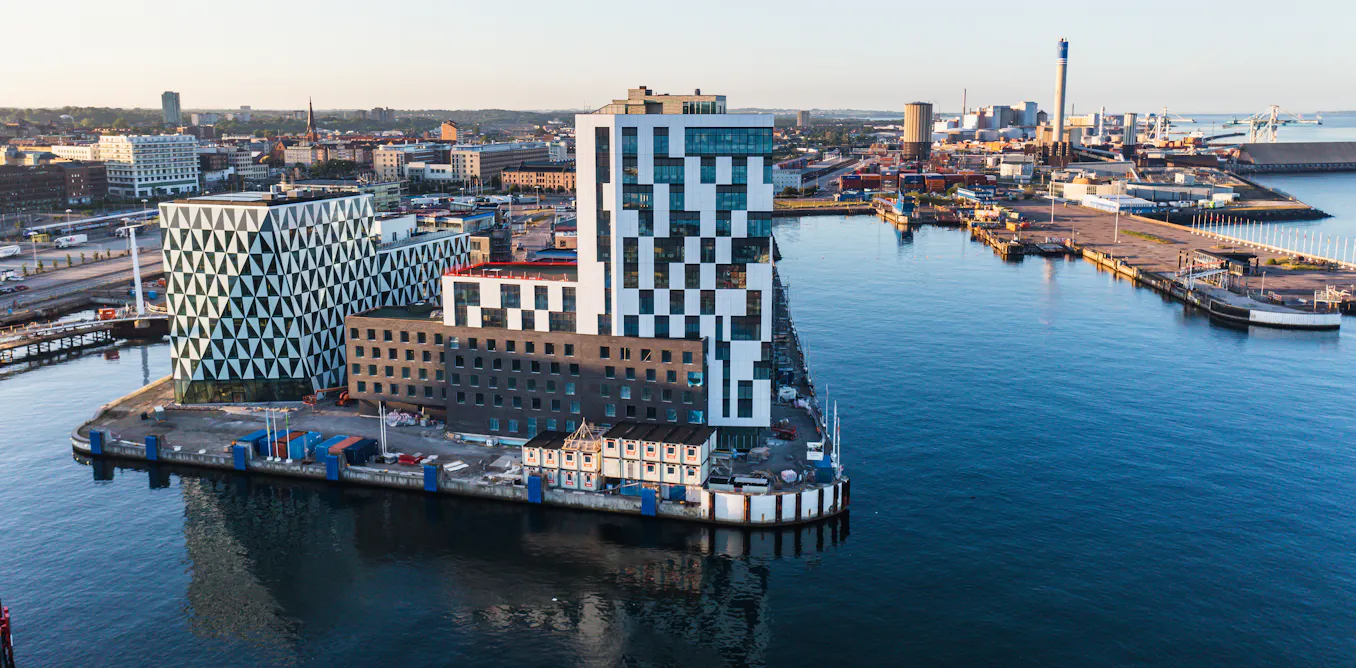
In one of those 15 counties, a new district in the city of Helsingborg in southern Sweden is successfully recycling wastewater. In Oceanhamnen, wastewater is collected through three separate pipelines: one for toilet wastewater (blackwater), one for greywater (wastewater from bathtubs and showers, sinks, laundry and dishwashers), and a third pipeline which takes food waste from the kitchen sink directly into biogas production.
The principle of separating blackwater from greywater is called source separation. Historically, it has mostly existed in single households or small neighbourhoods. Now, this technique is being tested in cities like Helsingborg.
According to RecoLab, the company treating Oceanhamnen’s wastewater at the world’s largest source-separated sanitation plant, source separation makes it easier to recover the different resources.
Tags
- Source Separation
- Oil Water Separation
- Wastewater Collection
- EIA for wastewater
- Water and Wastewater
- Water and wastewater treatment
- Sweden