Water-Efficient Technology Opportunity: On-Site Wastewater Treatment SystemsThe Federal Energy Management Program (FEMP) identified on-site wast...
Published by Water Network Research, Official research team of The Water Network
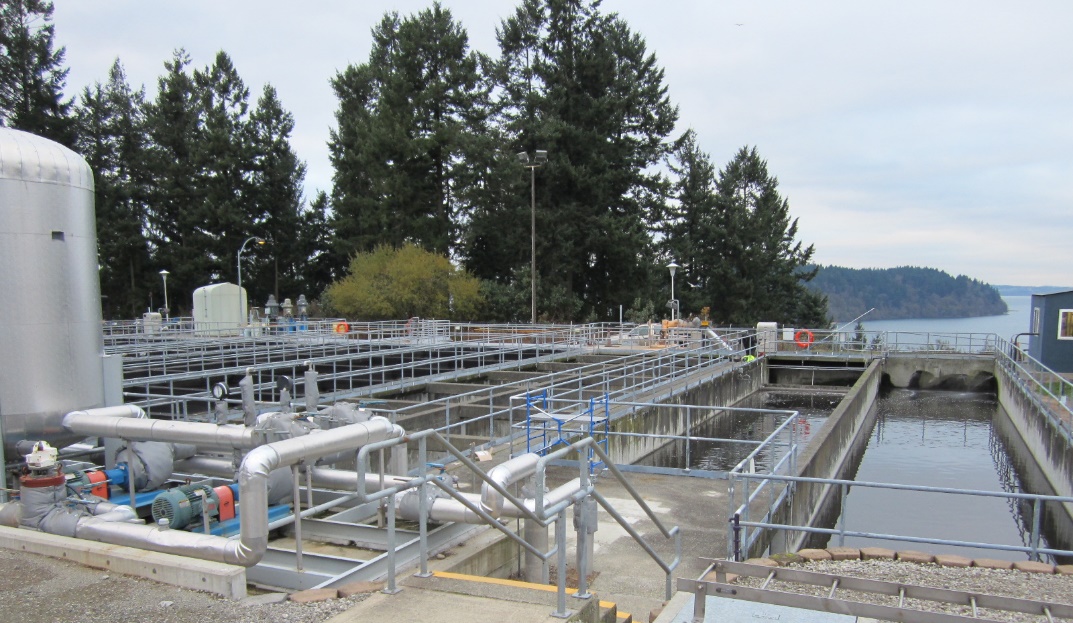
Water-Efficient Technology Opportunity: On-Site Wastewater Treatment Systems
The Federal Energy Management Program (FEMP) identified on-site wastewater treatment systems as a technology that can provide a source of alternative water that is relevant to the federal sector, is commercially available, and offers a significant opportunity to offset freshwater use.
This overview provides agencies with key information to deploy innovative products and systems that may otherwise be overlooked. It also helps agencies identify water-efficient technologies for consideration when entering into energy savings performance contracts and utility energy service contracts.
FEMP considered the following when selecting this technology.
Underutilized in the federal sector
Broad applicability across the federal sector
Lack of information available to agencies on alternative water systems
Offset of freshwater
Market availability
Produced by multiple manufacturers
Technology Description
Treated effluent from an on-site wastewater treatment system can be reclaimed and used in non-potable applications, providing a consistent source of alternative water to federal facilities. An important component of a site’s water management plan is identifying sources of alternative water to offset the use of freshwater from surface and groundwater sources, which helps to lower the water risk of a site making it more water secure.
Uses for treated wastewater effluent include (but are not limited to) landscape irrigation, vehicle wash, construction-related applications, dust suppression, ornamental pond and fountain filling, cooling tower makeup, and toilet and urinal flushing.
Several different wastewater treatment processes and technologies are available. The selection of the appropriate treatment technology depends on the volume and composition of the wastewater treated, the quality requirement of the effluent, and the land space available.
This table provides an overview of several available technologies, with the following considerations.
Information in the table is primarily based an evaluation of wastewater treatment technologies that modeled the performance of specific systems, treating wastewater discharged from a small community (population less than 2,000) with varying levels of waste concentration. (For more information, see Assessment of Wastewater Treatment Plant Design for Small Communities: Environmental and Economic Aspects).
All of the technologies listed—except the traditional wastewater treatment plant—are considered secondary treatment technologies that supplement primary treatment filtration or solids/liquid separation. Additional treatment (called tertiary treatment) and filtration may be required depending on the quality of the effluent and the requirements for reuse.
Primary waste constituents considered for removal are suspended solids, chemical oxygen demand, nitrogen, and phosphorous. High oxygen demand is an indirect indication of high organic content. Some inorganics, such as ammonia will also contribute to oxygen demand.
Capital and operation costs are presented as high, moderate, or low for relative comparison. Actual costs will depend on the capacity and size of the system.
The Federal Energy Management Program (FEMP) identified on-site wastewater treatment systems as a technology that can provide a source of alternative water that is relevant to the federal sector, is commercially available, and offers a significant opportunity to offset freshwater use.
This overview provides agencies with key information to deploy innovative products and systems that may otherwise be overlooked. It also helps agencies identify water-efficient technologies for consideration when entering into energy savings performance contracts and utility energy service contracts.
FEMP considered the following when selecting this technology.
Underutilized in the federal sector
Broad applicability across the federal sector
Lack of information available to agencies on alternative water systems
Offset of freshwater
Market availability
Produced by multiple manufacturers
Technology Description
Treated effluent from an on-site wastewater treatment system can be reclaimed and used in non-potable applications, providing a consistent source of alternative water to federal facilities. An important component of a site’s water management plan is identifying sources of alternative water to offset the use of freshwater from surface and groundwater sources, which helps to lower the water risk of a site making it more water secure.
Uses for treated wastewater effluent include (but are not limited to) landscape irrigation, vehicle wash, construction-related applications, dust suppression, ornamental pond and fountain filling, cooling tower makeup, and toilet and urinal flushing.
Several different wastewater treatment processes and technologies are available. The selection of the appropriate treatment technology depends on the volume and composition of the wastewater treated, the quality requirement of the effluent, and the land space available.
This table provides an overview of several available technologies, with the following considerations.
Information in the table is primarily based an evaluation of wastewater treatment technologies that modeled the performance of specific systems, treating wastewater discharged from a small community (population less than 2,000) with varying levels of waste concentration. (For more information, see Assessment of Wastewater Treatment Plant Design for Small Communities: Environmental and Economic Aspects).
All of the technologies listed—except the traditional wastewater treatment plant—are considered secondary treatment technologies that supplement primary treatment filtration or solids/liquid separation. Additional treatment (called tertiary treatment) and filtration may be required depending on the quality of the effluent and the requirements for reuse.
Primary waste constituents considered for removal are suspended solids, chemical oxygen demand, nitrogen, and phosphorous. High oxygen demand is an indirect indication of high organic content. Some inorganics, such as ammonia will also contribute to oxygen demand.
Capital and operation costs are presented as high, moderate, or low for relative comparison. Actual costs will depend on the capacity and size of the system.
Tags
- Wastewater Use
- Treatment
- Industrial Wastewater Treatment
- Water Reuse & Recycling
- Technology
- Wastewater Treatment
- Industrial Water Reuse
- Reuse
- Comprehensive Wastewater Treatment
- water reuse - regulations and permitting
- Water and wastewater treatment
- Wastewater Reuse Project Finance