Scientists issue warning after discovering looming threat to crucial water supply: 'It is much harder to manage'Ice melting and shifting snowfal...
Published on by Water Network Research, Official research team of The Water Network
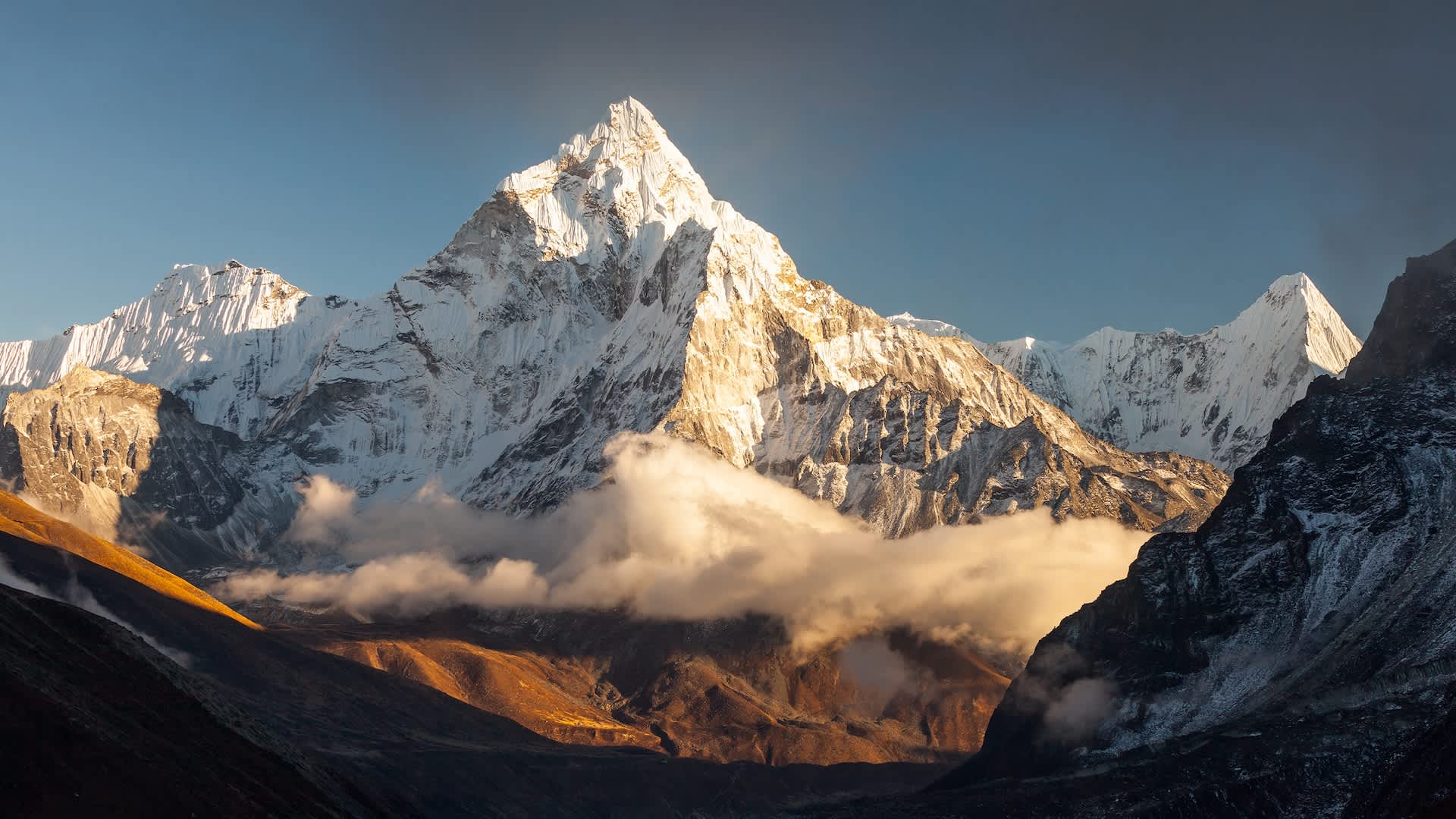
Ice melting and shifting snowfall patterns are reshaping communities, and now, these changes are repeatedly impacting the Himalayan mountains, according to Dialogue Earth. As global temperatures increase, weather systems have grown more erratic, which has disrupted snowfall and, consequently, water supplies that impact billions in the region.
What's happening?
Parts of the Himalayas went weeks with almost no winter snow in early 2026, while weather patterns have hit extremes in the Northern Hemisphere.
"Variability is often more damaging than a steady shift, and it is much harder to manage unpredictable snow," said Sher Muhammad, the cryosphere monitoring lead at the International Centre for Integrated Mountain Development.
Shifting wind and precipitation patterns make winter storms more erratic, which delays snowfall, pushes it to higher elevations, and reduces overall snow levels across the region, according to Muhammad.
Attached link
https://www.thecooldown.com/outdoors/himalayan-snow-pattern-erratic-precipitation-water-supply/?utm_source=flipboard&utm_content=otherTaxonomy
- Technology
- Glacier