Ballast Water Ruling Issues 2
Published by Water Network Research, Official research team of The Water Network in Government
Ballast Water Ruling - EPA vs US Coast Guard
Earlier this month, the 2nd U.S. Circuit Court of Appeals ruled that the U.S. Environmental Protection Agency acted "arbitrarily and capriciously" when it decided in 2013 to follow the IMO ballast water management convention standard governing the discharge of harmful organisms for the Vessel General Permit.
A group of NGOs (Natural Resources Defense Council, National Wildlife Federation, Center for Biological Diversity and Northwest Environmental Advocates) sued the EPA over its Vessel General Permit, but despite the intentions of the NGOs, many see it as a backward step for protection against marine invasive species, and it is one that will have global ramifications.
“This isn’t only related to the Great Lakes,” says Robert Lewis-Manning, President of the Canadian Shipowners Association (CSA). “There are certain provisions within the petition of the consortium of environmental organizations that are very Great Lakes centric, but there is a lot that are applicable to all U.S. ports. So there are implications globally for shipowners.”
Lewis-Manning says the existing conundrum in the U.S. is that both the EPA and the U.S. Coast Guard regulate ballast water discharge. Both have different statutes. “The fear is that if this decision results in a different discharge standard by the EPA, all of the great effort that’s on-going right now to develop technology and then get it type approved by the U.S. Coast Guard may not actually meet a discharge standard by the EPA.”
This could create delays for equipment manufacturers and cause shipowners to delay their decision to purchase systems, especially those wishing to have vessels trading in the U.S.
Systems Not Proven
According to Lewis-Manning, compliance with existing American regulations is currently impossible, as no treatment systems are yet proven to work in the unique waters of the Great Lakes and St. Lawrence River. 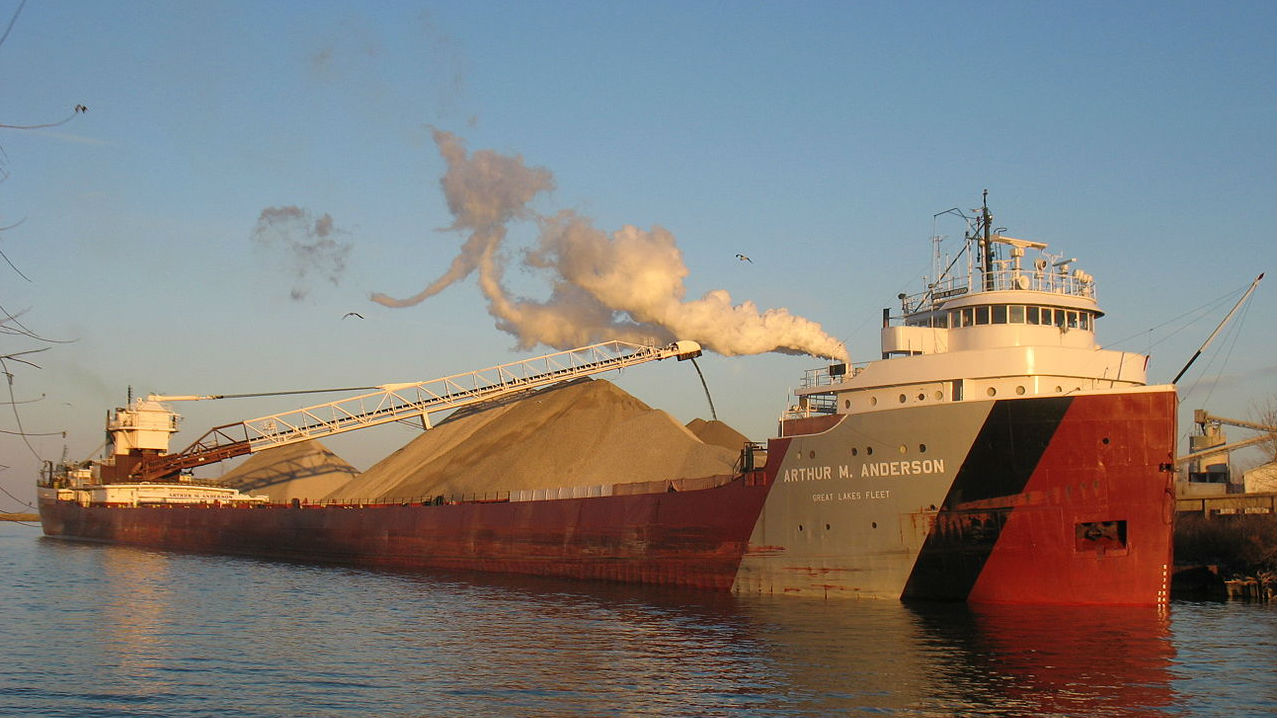
“We have a few unique constraints,” he says. “We operate in all three salinities. We also operate in high silt waters, and our vessels are designed to maximize efficiency through a lock system. This provides a number of feasibility issues that are unique to our vessels. They are maximized for cargo, and space is at a minimum.” The vessels also load and unload cargo at a very high rate. “We haven’t seen the systems yet that can meet the environmental challenges and the constraints of the vessel types and operation.”
Earlier this year, the CSA started a search for ballast water technology suitable for use on the Great Lakes and St. Lawrence Waterway by collectively contributing an initial $1.5 million dollars to the establishment of a research and technical evaluation fund.
Shoreside Treatment
As well as reviewing discharge standards, the EPA must also now reconsider onshore facilities to treat ballast water rather than focusing on pollution controls on board ships, where a lack of space might limit their effectiveness.
Here again, the Great Lakes poses challenges. “The Great Lakes is a good example of the challenge of shoreside treatment, because it has roughly 200 ports just in the lakes themselves. Trying to envision more shoreside treatment plants than potentially the number of ships operating in the Great Lakes doesn’t seem very practical,” says Lewis-Manning.
Source: Maritime Executive
Read More Related Content On This Topic - Click Here
Tags
Category: Government
- Environment
- Marine
- Ballast Water
1 Comment
An eco-friendly green solution is here https://uplink.weforum.org/uplink/s/uplink-contribution/a012o00001pTMOEAA4/ecofriendly-filtration-technology-for-shipping-ballast-water-treatment
Published by Prince Prakash Jeba Kumar J, Scientist at National Institute of Ocean Technology